01
«Уменьшение объёма в щеках»
Уменьшение объёма в щеках. Фиксируем во время диагностики и связываем с подходящим путём лечения.
 Записаться
Структурное изменение из-за уменьшения подкожного жира и снижения выработки коллагена и эластина - молодые пропорции лица меняются, чёткость смягчается. Восстановите структуру.
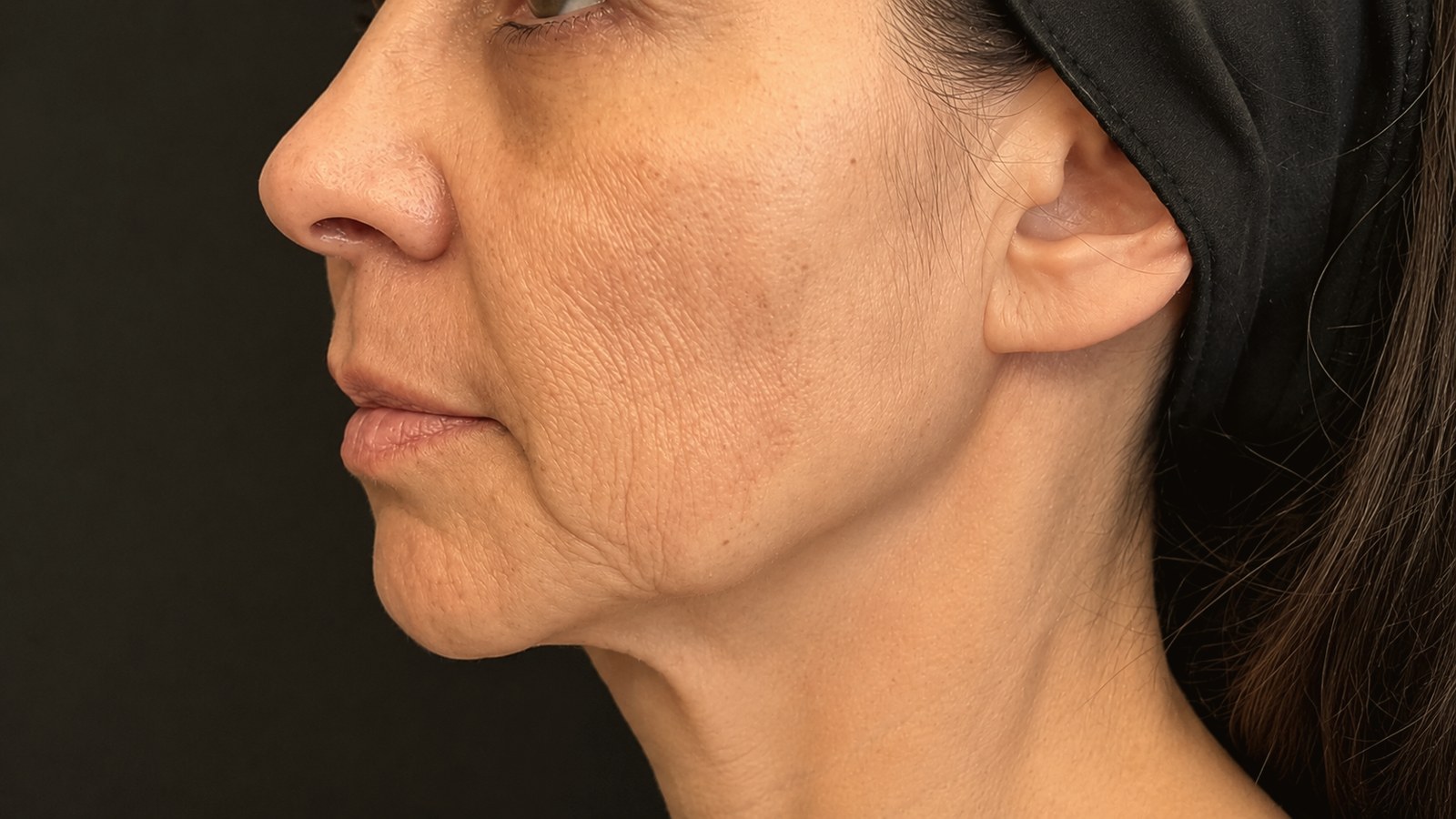 До · Потеря объёма заметна
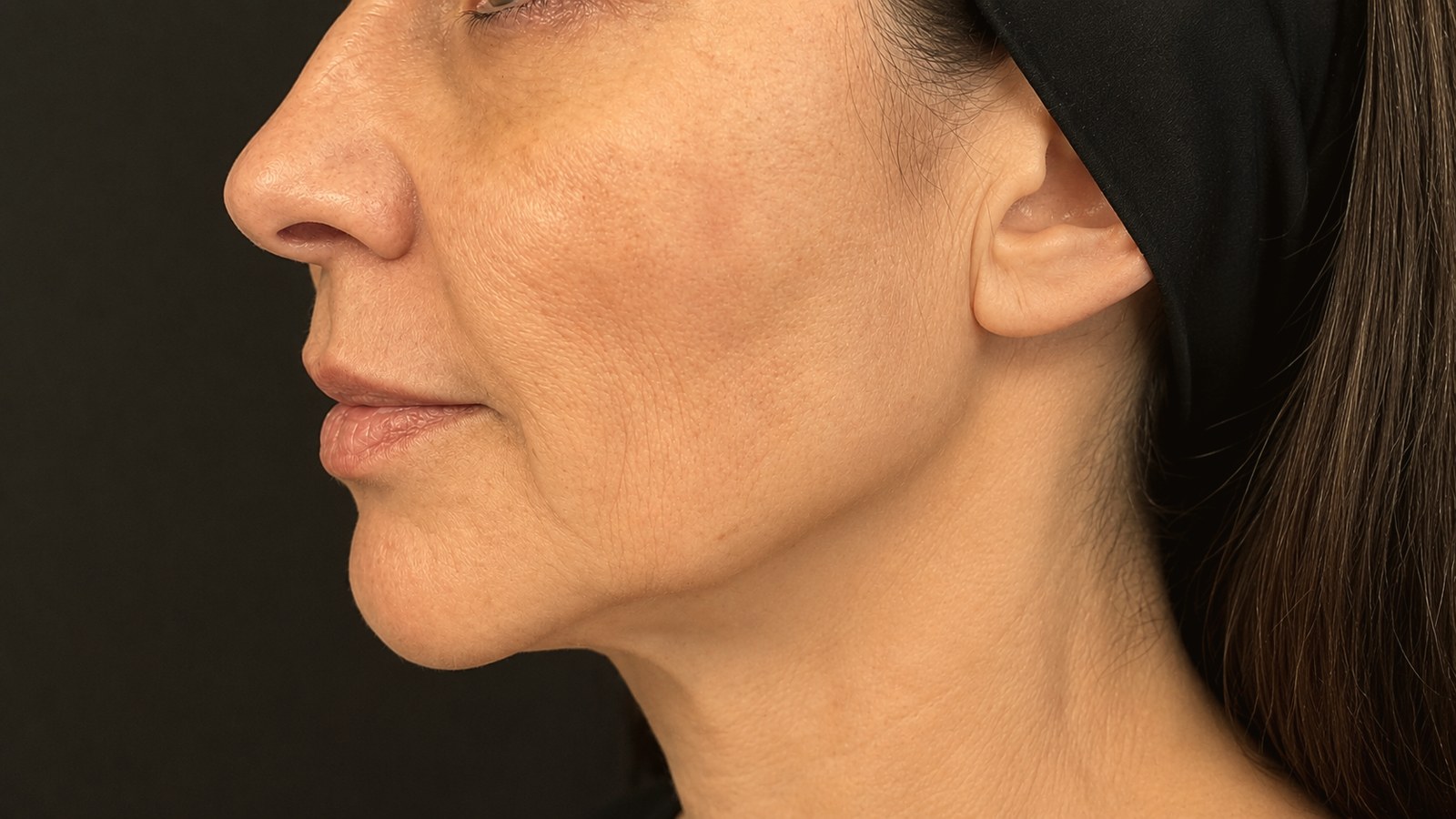 После · Восстановлено
Потеря объёма лица - структурное изменение лица и кожи из-за уменьшения подкожного жира и снижения выработки коллагена и эластина.
В результате лицо может утратить молодой вид и чёткость - щёки уплощаются, под глазами появляются впадины, носогубные складки становятся выразительнее. Обычно связано с возрастом, но изменение веса ускоряет процесс.
"Объём - это не тщеславие, а архитектура. Восстанавливая его, мы возвращаем то, как свет ложится на лицо."
Формулировки меняются, но закономерность одна. Каждая из них - клинический сигнал, к которому мы прислушиваемся на консультации.
Уменьшение объёма в щеках. Фиксируем во время диагностики и связываем с подходящим путём лечения.
Впадины под глазами. Фиксируем во время диагностики и связываем с подходящим путём лечения.
Более выраженные носогубные складки. Фиксируем во время диагностики и связываем с подходящим путём лечения.
Потеря контура и чёткости лица. Фиксируем во время диагностики и связываем с подходящим путём лечения.
Уставший или возрастной вид. Фиксируем во время диагностики и связываем с подходящим путём лечения.
Дряблость кожи вместе с потерей объёма. Фиксируем во время диагностики и связываем с подходящим путём лечения.
Редко бывает что-то одно. Путь строится вокруг наиболее активного фактора.
Восстановление объёма начинается со структурной карты лица. Путь подбирает инструмент к потере - филлер для немедленного объёма, стимуляторы для долгосрочной плотности.
Одна цель: работать с причиной, а не только с поверхностью. Основной протокол работает изнутри; поддерживающие пути углубляют или продлевают результат.
Филлеры на основе гиалуроновой кислоты, точно введённые в щёки, слёзные борозды и виски, чтобы вернуть молодые пропорции лица.
Инъекционные стимуляторы, восстанавливающие плотность дермы, с которой один филлер не справится.
Поддерживающее · Качество кожиМикроинфузия глубокого увлажнения - поддерживает чистоту поверхности и качество кожи параллельно со структурной работой.
Поддерживающее · ДвижениеСмягчает динамические изменения, накладывающиеся на потерю объёма - межбровье, лоб, надбровье.
Регенеративное · ОбновлениеВаша собственная обогащённая тромбоцитами плазма запускает естественное восстановление и дополняет структурную работу.
Врач Beauté Concept осматривает кожу, определяет причину проблемы и разрабатывает протокол - от домашнего ухода до клинического курса.