01
«Лицо очень жирное».
Гиперактивность сальных желёз - обычно более выражена в T-зоне к середине дня.
 Записаться
Гиперактивные сальные железы, забитые поры и воспалительные элементы - акне идёт хроническим циклом. Путь курсовой, послойный и подстроен под тяжесть, а не под симптом.
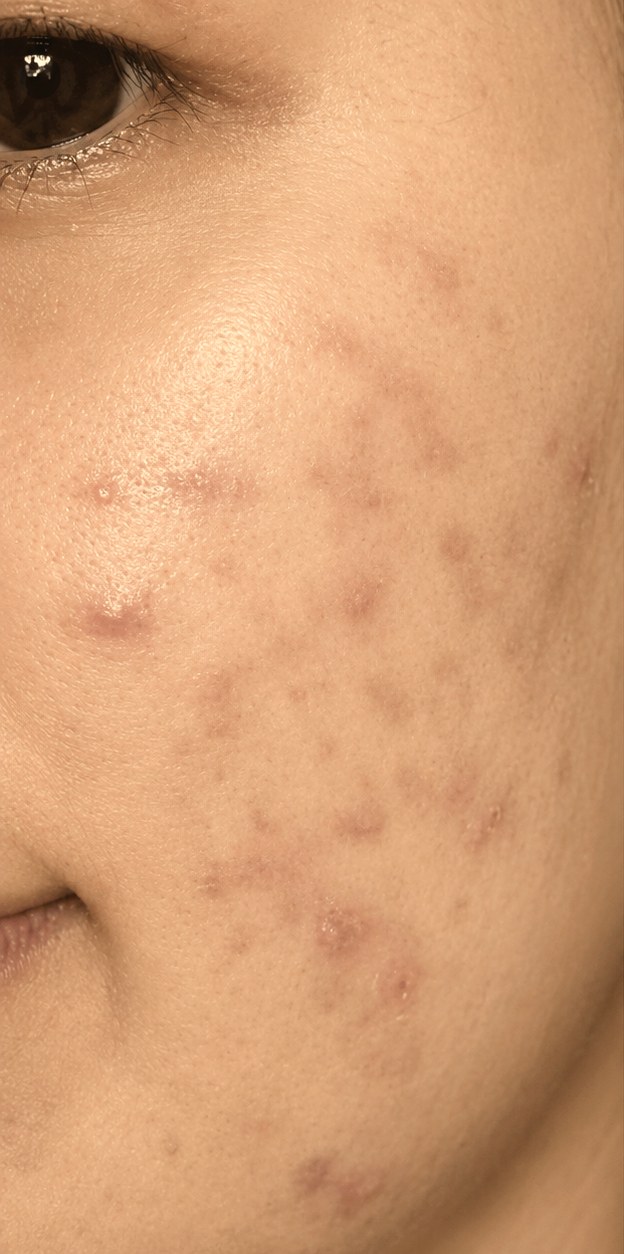 До · Активное акне
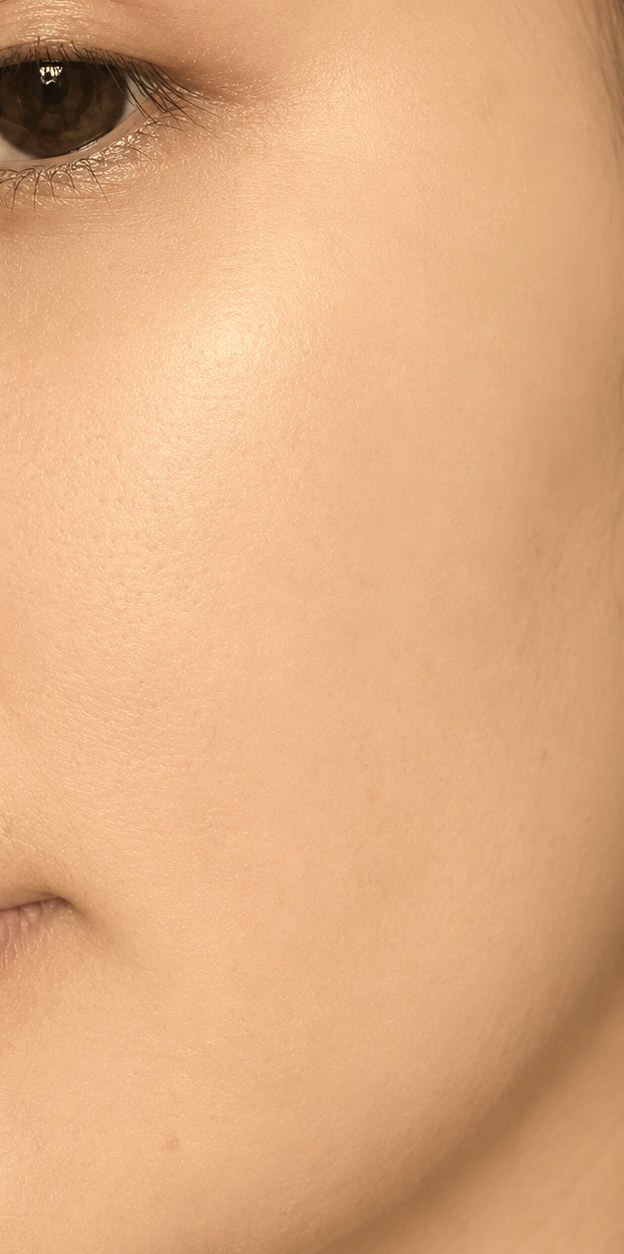 После · Кожа под контролем
Жирная кожа характеризуется гиперактивными сальными железами, вырабатывающими избыток себума, что приводит к забитым порам и развитию воспалительных состояний.
Acne vulgaris - хроническое воспалительное состояние кожи, которое может проявляться чёрными точками, милиумами и воспалительными папулами или пустулами. От степени тяжести зависит, что становится основой - наружные средства, системная терапия или гормональное лечение.
“Акне - это не проблема гигиены, а воспаление. Лечите воспаление, берегите барьер, подстраивайтесь под тяжесть.”
Симптомы, названные самими пациентами, рядом с клинической оценкой.
Гиперактивность сальных желёз - обычно более выражена в T-зоне к середине дня.
Лоб, нос и подбородок - самая высокая плотность сальных желёз на лице.
Поры, забитые окисленным себумом - самый ранний видимый признак акне.
Поры, забитые под поверхностью - обычно предшествуют воспалительным элементам.
Папулы и пустулы там, где бактерии запустили воспалительный ответ.
Узлы и кисты - тяжёлые формы, требующие системного лечения.
Тяжесть акне - это спектр, каждая степень требует своей интенсивности вмешательства.
Тяжесть определяет путь. Мы классифицируем акне, разбираем историю и направляем к наружному, системному или гормональному лечению.
Наружные средства при лёгких формах; системные антибактериальные - при средних; изотретиноин под строгим контролем - при тяжёлых. Пилинги и лазеры поддерживают на протяжении всего курса.
Наружные ретиноиды - базовая линия для большинства степеней акне; салициловые и гликолевые пилинги ускоряют процесс. Постоянство важнее интенсивности.
LED-терапия для снижения воспаления и поддержки заживления между сеансами.
Поддерживающее · Глубокая чисткаГлубокое очищение и удаление комедонов, чтобы разгрузить забитые поры.
Поддерживающее · СистемноеСистемные антибиотики или гормональная терапия, когда тяжесть перерастает возможности наружного лечения.
Постакне · Работа с рубцамиДля пациентов, у которых акне ушло, но остались рубцы, с которыми нужно работать.
Специалист оценивает тяжесть, разбирает историю и подбирает курс под ваш случай - от наружных средств до курируемого пути изотретиноина.