01
«Акне прошло, но следы остались».
Самое частое проявление - пигментация сохраняется после того, как воспаление уходит.
 Записаться
Постакне-изменения - это цвет, текстура или и то, и другое: красные или коричневые следы от воспаления и вдавленные или выступающие рубцы от повреждения ткани. Путь зависит от того, что именно у вас.
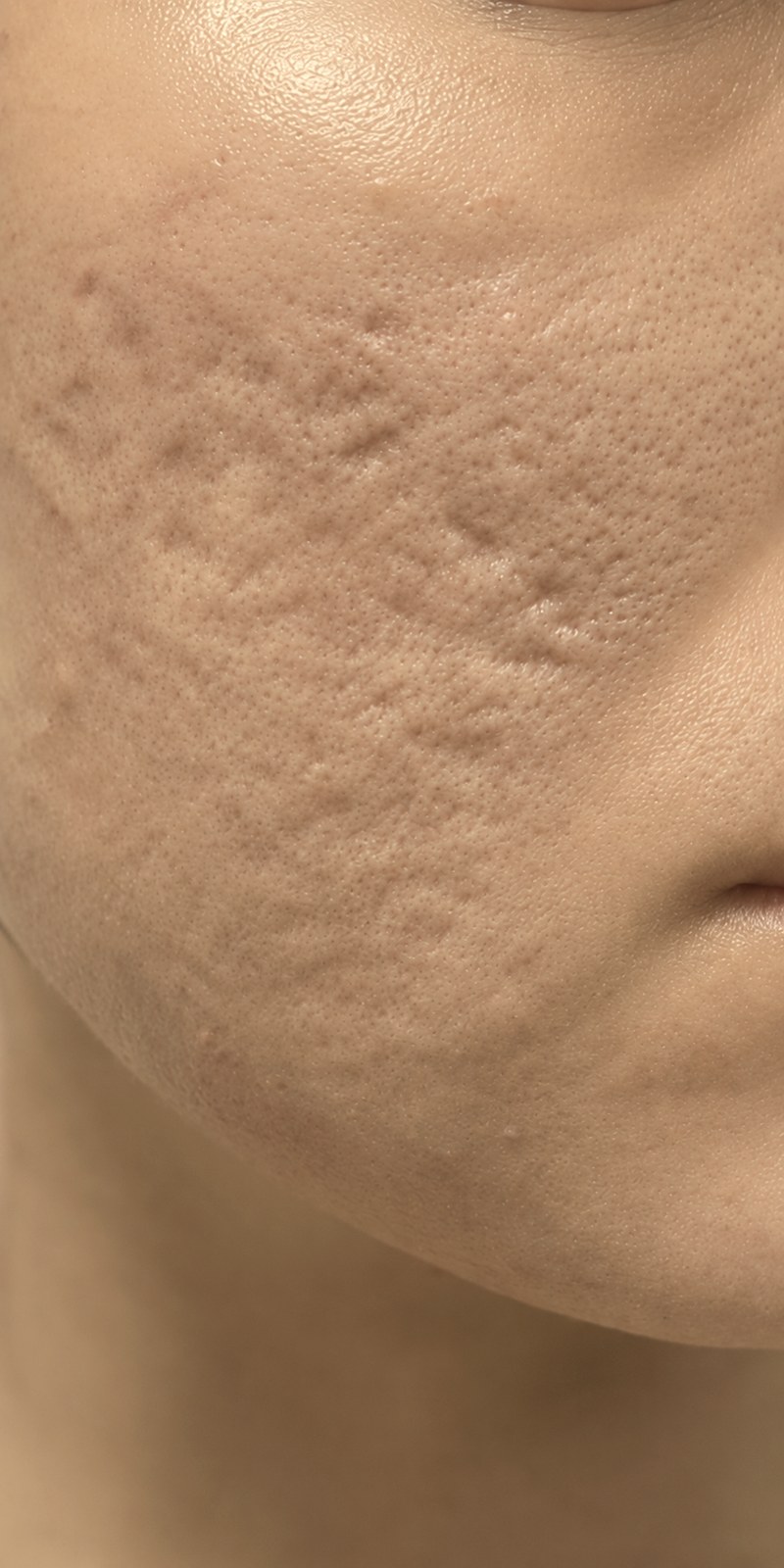 До · Пятна и рубцы
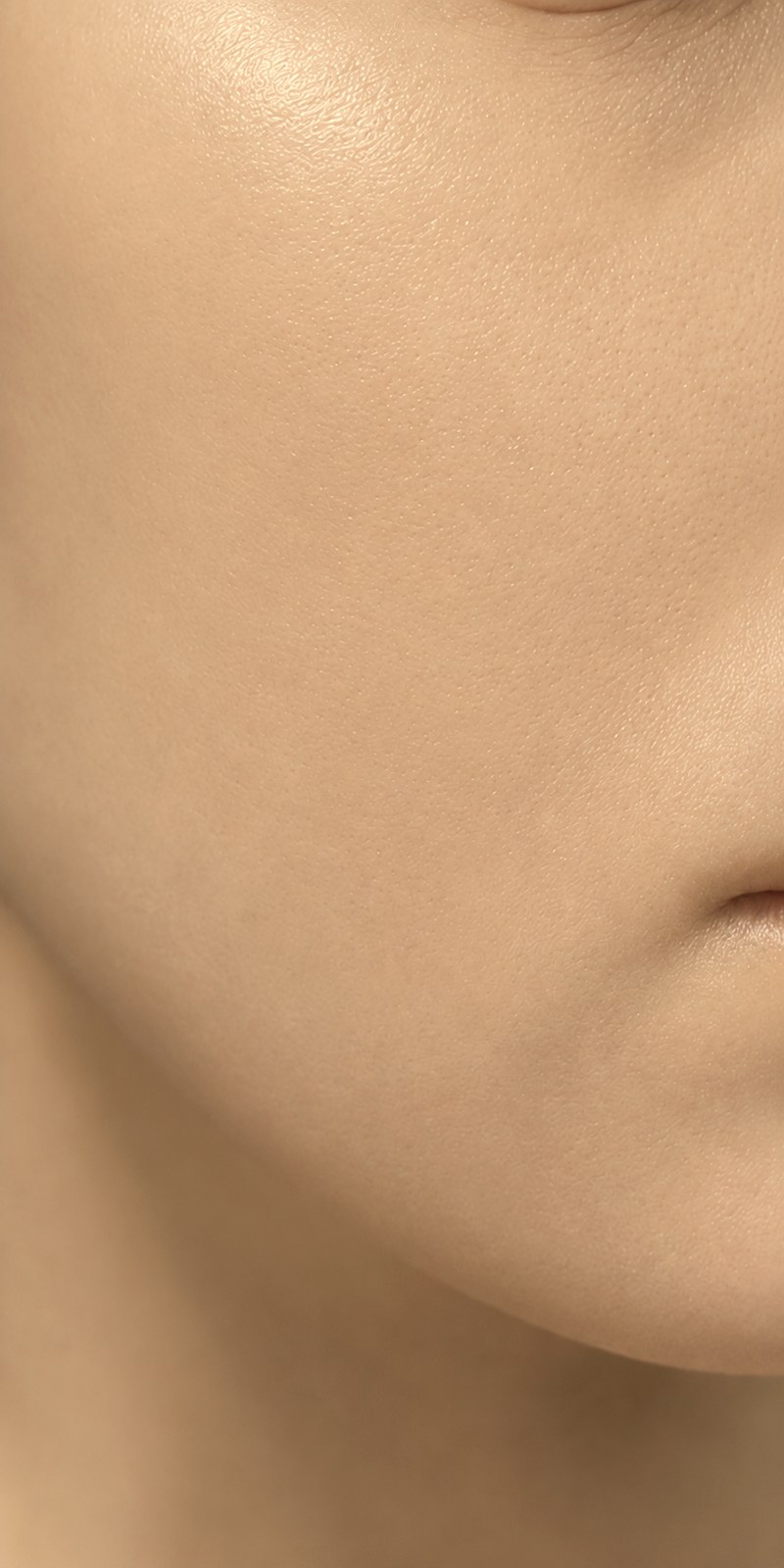 После · Ровная текстура
Постакне-изменения - это запись перенесённого воспаления на коже. Они бывают цветовыми - красные или коричневые следы - или структурными: вдавленные или выступающие рубцы.
Формирование тесно связано с тяжестью исходного воспалительного акне и тем, насколько быстро оно лечилось. Нелеченное глубокое акне почти всегда оставляет структурные изменения.
“В лечении рубцов два правила. Сначала взять акне под контроль. Никогда не работать с рубцом без защиты от солнца.”
Симптомы, названные самими пациентами, рядом с клинической оценкой.
Самое частое проявление - пигментация сохраняется после того, как воспаление уходит.
Постинфламматорная эритема (красная) или гиперпигментация (коричневая) - только цвет, без структуры.
Атрофические рубцы - ice-pick, boxcar или rolling - там, где во время воспаления была потеряна ткань.
Общая поверхность считывается шероховатой или «побитой» при боковом свете даже без глубоких рубцов.
Функциональный признак - тональная основа проваливается в углубления и распадается на цветных следах.
Несколько типов рубцов часто сосуществуют и требуют комбинированного протокола.
Постакне-изменения делятся на чёткие категории - путь для каждой свой.
Путь полностью зависит от того, цвет это, структура или и то, и другое. Классификация занимает минуты и экономит месяцы.
Цветовые изменения отвечают на пилинги и наружные средства; структурным рубцам нужны шлифовка или стимуляция коллагена. Чаще всего сочетают оба подхода.
Фракционная шлифовка и RF-микронидлинг стимулируют коллаген в ложе рубца - путь выбора для атрофических рубцов, не отвечающих на наружные средства.
RF-микронидлинг для более глубоких атрофических рубцов и застарелой текстуры.
Поддерживающее · ШлифовкаФракционная CO₂-шлифовка для распространённых, смешанных текстурных рубцов.
Поддерживающее · УвлажнениеГиалуроновая кислота для поддержки качества кожи параллельно с работой над рубцами.
Поддерживающее · Цветовые следыСалициловые и TCA-пилинги с витамином C, ниацинамидом и ретиноидами при пигментации.
Специалист разбирает историю акне, классифицирует тип рубца и составляет курс, сочетающий подходящую вашей коже глубину вмешательства.