01
«Мои волосы стали тоньше».
Снижение общей плотности - самое частое проявление, заметнее всего на макушке.
 Записаться
Постепенное снижение плотности волос - отдельные стержни становятся тоньше, общий объём уменьшается. Иногда временно, иногда хронически. За этим - гормоны, стресс, питание или андрогенная алопеция. Путь начинается с диагностики, а не со стимуляции.
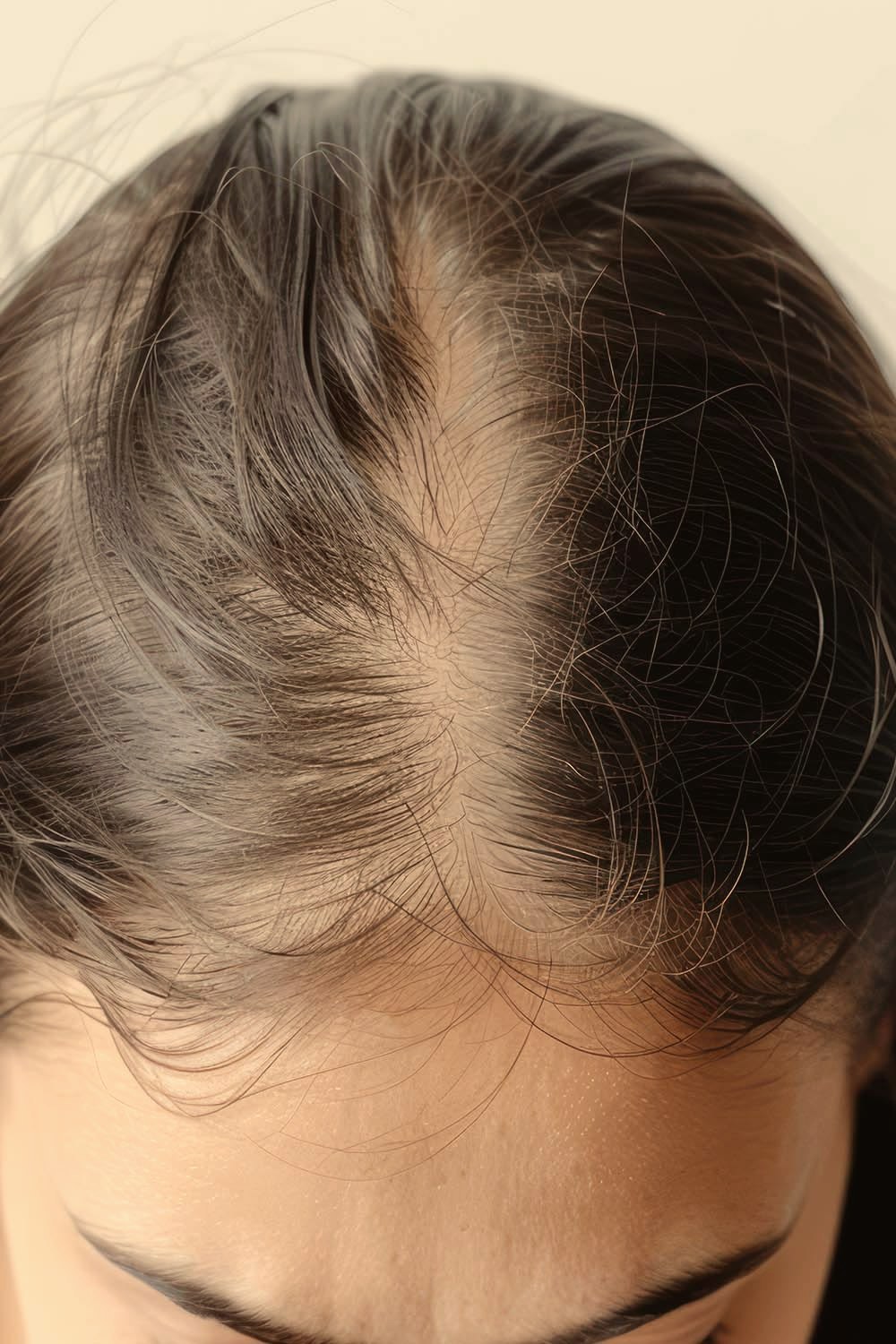 До · Сниженная плотность
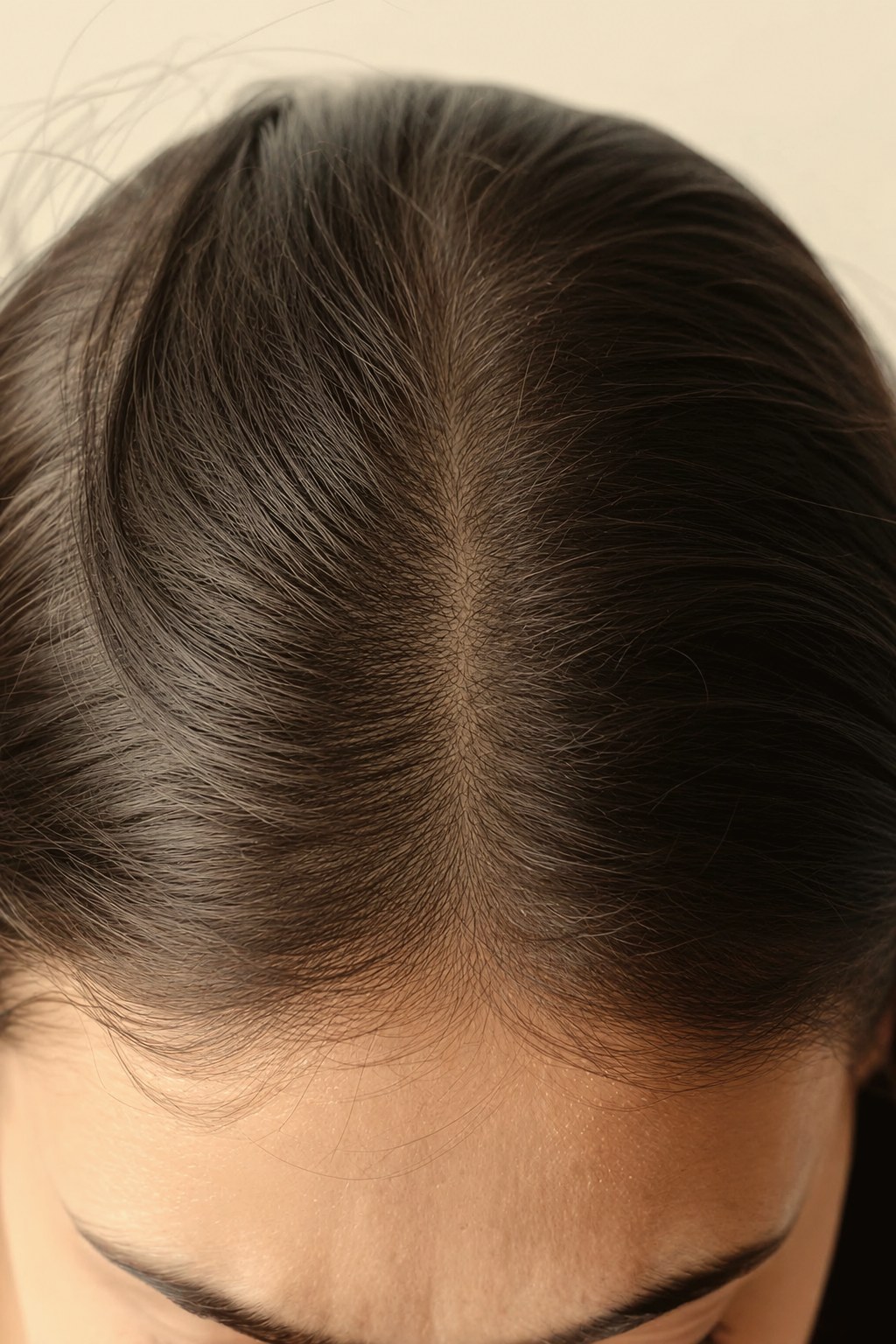 После · Восстановленный объём
Редеющие волосы - постепенное снижение плотности, при котором отдельные стержни становятся тоньше, а общий объём уменьшается.
Может быть временным или хроническим, часто связан с гормональными изменениями, стрессом, дефицитом питания или андрогенной алопецией. Правильный протокол полностью зависит от того, что именно является причиной.
“У редеющих волос редко одна причина. Есть одна доминирующая и две сопутствующие. Консультация - это то, что их разделяет.”
Симптомы, названные самими пациентами, рядом с клинической оценкой.
Снижение общей плотности - самое частое проявление, заметнее всего на макушке.
Функциональный самопомер - окружность собранного хвоста уменьшается за месяцы.
Укладки, которые раньше держались, больше не держатся - волосы лежат более плоско и больше показывают кожу головы.
Пробор расширяется; кожа головы видна там, где раньше её не было - поздний, но надёжный признак.
Толщина отдельного стержня снижается до того, как фолликул перестанет производить волос - видно на трихоскопии.
Больше волос, чем базовые ~50–100/день, скапливается на щётке и подушке.
Разные причины требуют разных путей - мы классифицируем причину до начала лечения.
Трихоскопия показывает, что реально происходит с фолликулом - плотность, толщина, миниатюризация, воспаление - данные, которые определяют протокол.
На основе причины. Наружные средства, PRP или мезотерапия - поверх медицинского ведения основного триггера.
Обогащённая тромбоцитами плазма пробуждает спящие фолликулы; витаминная мезотерапия доставляет питательные вещества прямо к коже головы. Курсовой подход, результаты видны через 3–4 месяца.
Миноксидил и другие наружные стимуляторы - база для большинства случаев.
Поддерживающее · ГормональноеВнутренние гормональные или нутриционные причины решаются через соответствующего специалиста.
Поддерживающее · Качество кожиГиалуроновая кислота для поддержки состояния кожи головы параллельно с работой над волосами.
Поддерживающее · ВитаминыВитаминная инфузия - обычно в паре с курсом PRP для комплексного эффекта.
Специалист снимает кожу головы, разбирает историю и, если подозревается системная причина, направляет на лаборатории до назначения курса.