01
«Тон моей кожи неровный».
Цвет считывается по лицу неравномерно - заметная потеря однородности при дневном свете.
 Записаться
Неравномерное распределение пигмента делает кожу пятнистой - темнее в одних местах, светлее в других. Причины - солнце, воспаление и гормональные сдвиги. Путь - сначала диагностика, затем курс целевой коррекции.
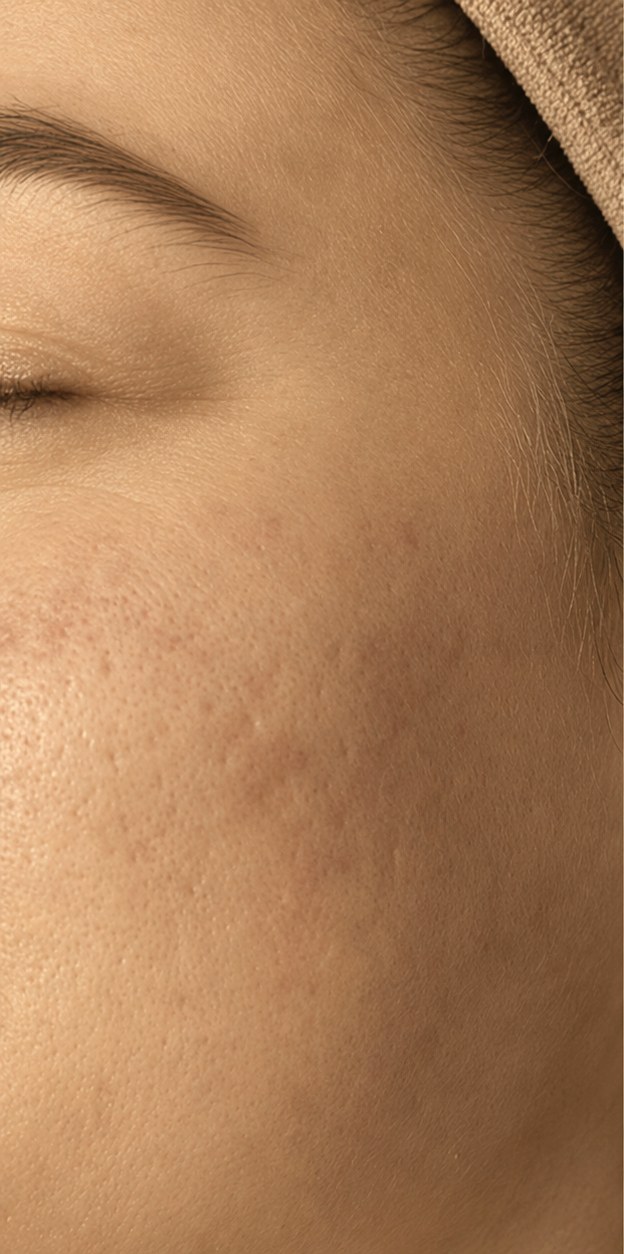 До · Неравномерная пигментация
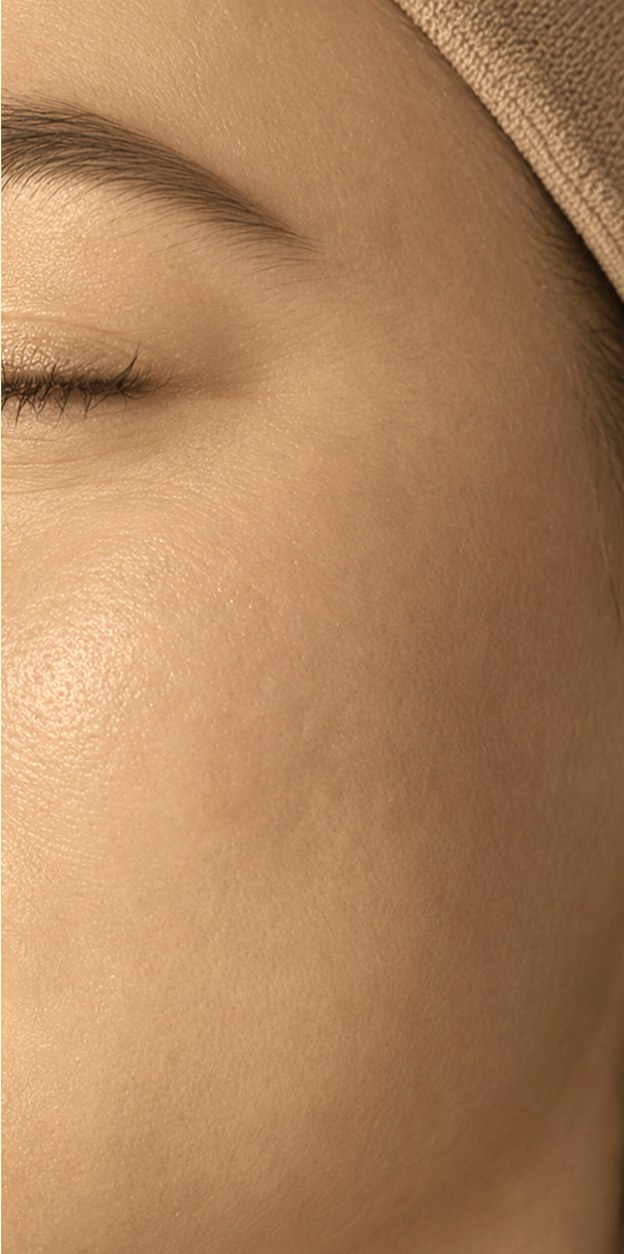 После · Ровный тон восстановлен
Неровный тон кожи характеризуется неравномерным распределением цвета - участками, которые кажутся темнее или светлее окружающей кожи. Развивается из-за солнца, воспалительных процессов или гормональных изменений.
В результате кожа теряет единый, ровный вид - при ровном свете видны пятна, макияж не сливается. Без лечения пятна имеют свойство темнеть при продолжающемся воздействии солнца.
“Коррекция держится только тогда, когда защита от солнца становится привычкой. Без неё любой пигментный протокол - беговая дорожка.”
Симптомы, названные самими пациентами, рядом с клинической оценкой.
Цвет считывается по лицу неравномерно - заметная потеря однородности при дневном свете.
Очаговые зоны повышенного меланина - чаще всего на щеках, лбу и верхней губе.
Субклиническое воспаление, которое со временем может приводить к дальнейшей пигментации.
Остаточная пигментация от зажившего акне - обычно коричневая на светлой коже и более тёмная на смуглой.
Пятнистый, неровный тон - чаще всего после солнца или стресса.
Консилер заметно поднимается на пигментированных участках - функциональный признак того, что тон неровный.
Разное происхождение требует разных путей - сначала классификация, затем лечение.
Любой путь коррекции тона начинается с клинической консультации и анализа VISIA. Без диагностики любое средство - догадка.
Курсовой подход - базовый наружный уход, клиническая коррекция и постоянная защита от солнца.
Витамин C, ниацинамид и ретиноиды клинической концентрации создают базовый уход; салициловые и TCA-пилинги от сеанса к сеансу снимают накопленный пигмент.
Фракционные и пигмент-селективные аппараты работают напрямую с очаговой пигментацией.
Поддерживающее · УвлажнениеГлубокое увлажнение и поддержка барьера параллельно с работой над пигментом.
Поддерживающее · Качество кожиГиалуроновая кислота для улучшения качества кожи, текстуры и отражения света.
Поддерживающее · СияниеВитаминная инфузия, поддерживающая общий тон и яркость.
Специалист разбирает историю пигментации, проводит анализ VISIA и составляет курс, соответствующий типу неровности тона в вашем случае.