01
«Мешки под глазами»
Мешки под глазами. Фиксируем во время диагностики и связываем с подходящим путём лечения.
 Записаться
Потемнение вокруг глаз из-за пигмента, видимых сосудов или тонкой периорбитальной кожи - путь строится по тому, что реально видно в зеркале.
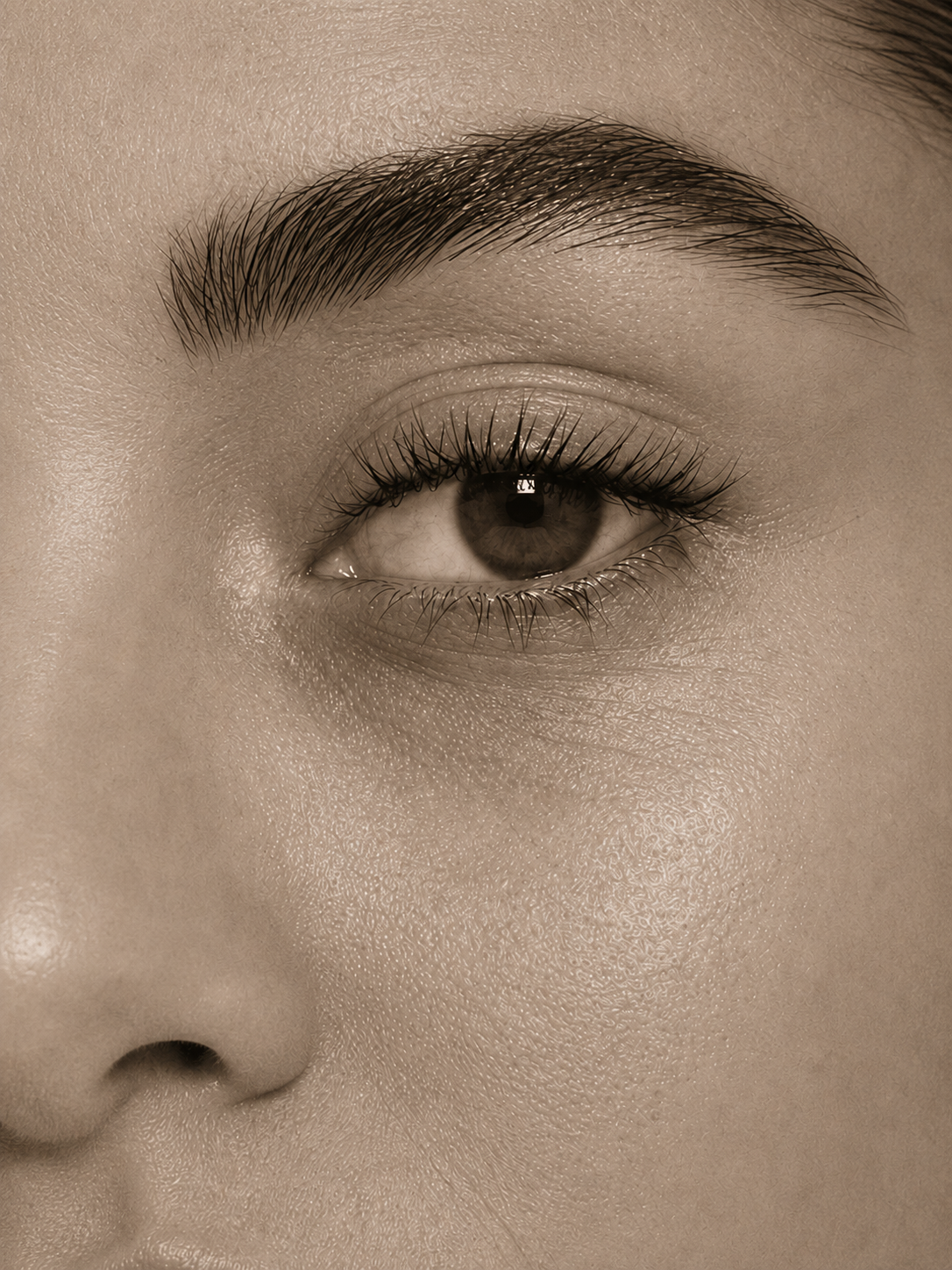 До · Проблема видна
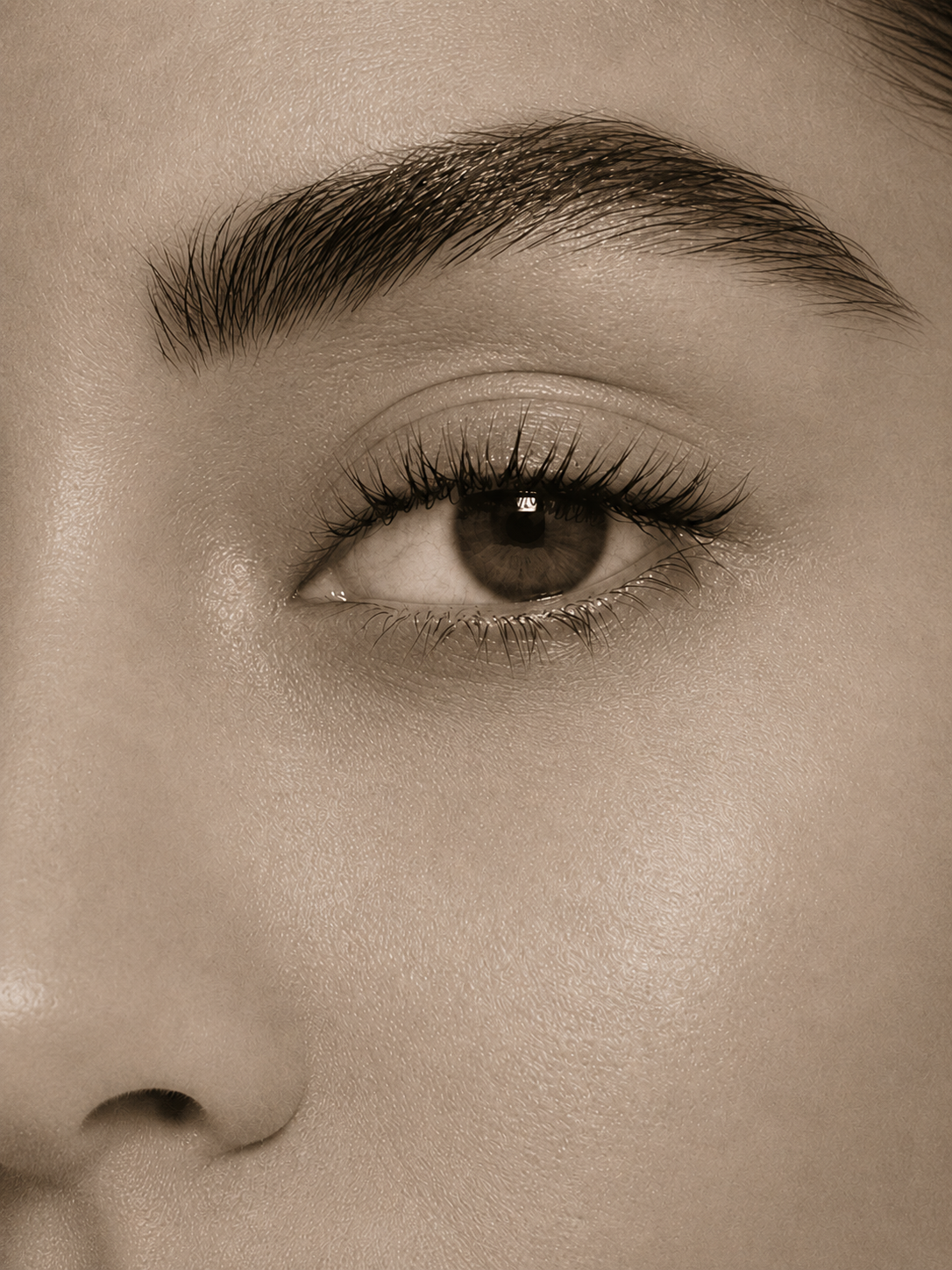 После · Восстановлено
Периорбитальные тёмные круги - видимые изменения цвета кожи вокруг глаз, часто сразу несколько причин.
Могут быть вызваны пигментацией, выраженными подкожными сосудами, тонкой периорбитальной кожей или тенью от пустой слёзной борозды. Каждая из причин требует своего пути.
"Тёмные круги - сигнал, а не одно состояние. Что мы лечим - целиком зависит от того, что показала съёмка."
Формулировки меняются, но закономерность одна. Каждая из них - клинический сигнал, к которому мы прислушиваемся на консультации.
Мешки под глазами. Фиксируем во время диагностики и связываем с подходящим путём лечения.
Заметные слёзные борозды. Фиксируем во время диагностики и связываем с подходящим путём лечения.
Средства ведут себя иначе, чем раньше. Фиксируем во время диагностики и связываем с подходящим путём лечения.
Слегка изменилось по сравнению с прошлым годом. Фиксируем во время диагностики и связываем с подходящим путём лечения.
Фото ловит это чётче, чем зеркало. Фиксируем во время диагностики и связываем с подходящим путём лечения.
Ощущается иначе даже до того, как выглядит иначе. Фиксируем во время диагностики и связываем с подходящим путём лечения.
Редко бывает что-то одно. Путь строится вокруг наиболее активного фактора.
Подглазья сначала диагностичны, потом эстетичны. Съёмка отделяет пигмент от сосудов и структуры, и путь работает с тем, что реально есть.
Одна цель: работать с причиной, а не только с поверхностью. Основной протокол работает изнутри; поддерживающие пути углубляют или продлевают результат.
Микроинфузия гиалуроновой кислоты целенаправленно в периорбитальную зону - улучшает толщину и текстуру.
Ваша обогащённая тромбоцитами плазма - уменьшает пигмент и запускает обновление дермы.
Поддерживающее · ПитаниеВитамины и антиоксиданты, доставленные в кожу вокруг глаза, со временем уменьшают пигментацию.
Структурное · Слёзная бороздаТочное введение гиалуроновой кислоты для коррекции пустоты, отбрасывающей видимую тень.
Дома · Уход за пигментомНазначенный домашний уход с витамином C, ниацинамидом и ежедневным SPF - со временем уменьшает меланин.
Врач Beauté Concept осматривает кожу, определяет причину проблемы и разрабатывает протокол - от домашнего ухода до клинического курса.