01
«Кожа стала дряблой».
Сниженная упругость делает кожу мягкой и менее очерченной по зонам тела.
 Записаться
Кожа тела, потерявшая упругость и эластичность - дряблая, мягкая, менее очерченная. Путь сначала оценивает упругость и структуру, затем восстанавливает утраченную опору.
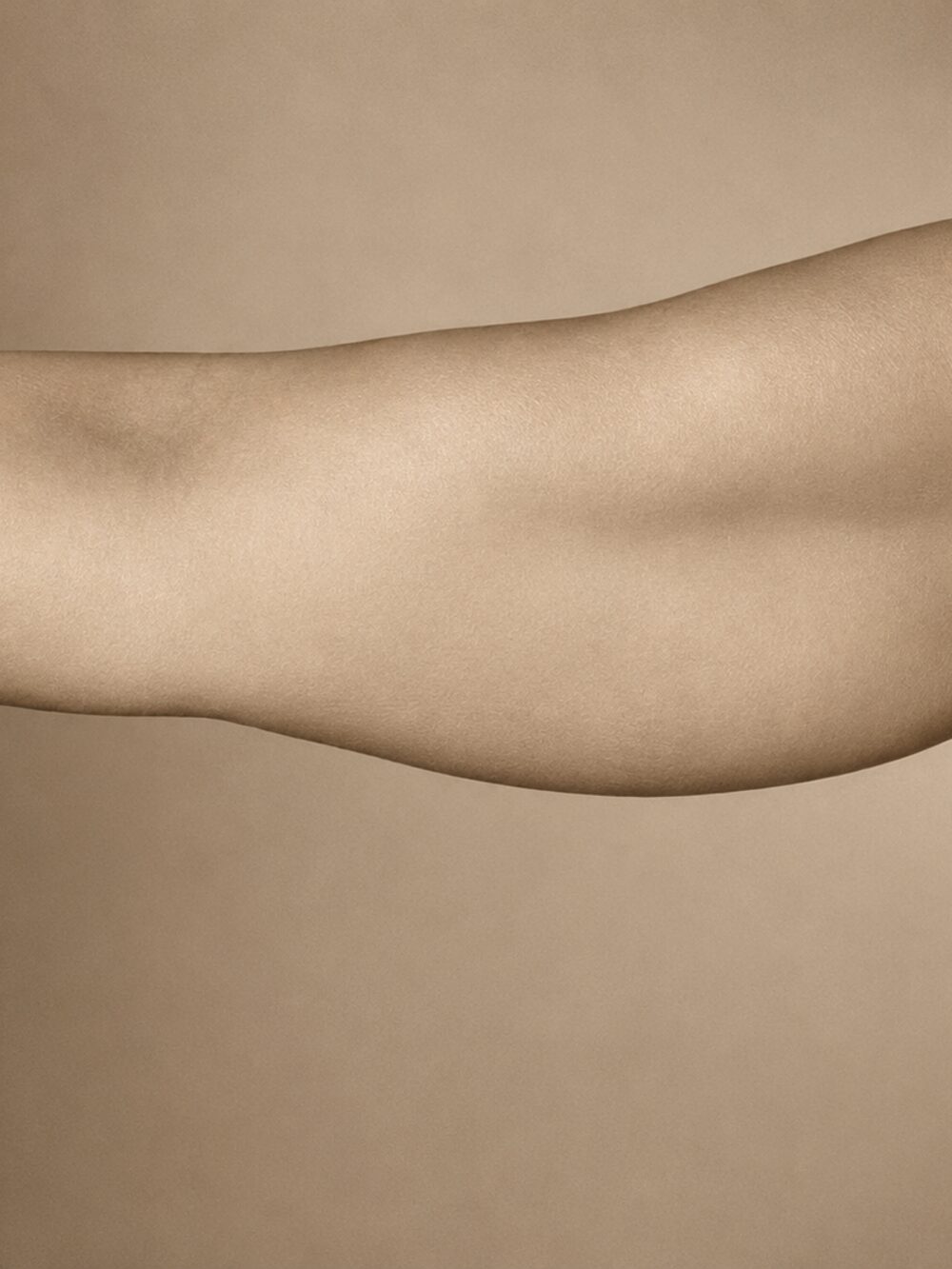 До · Дряблость заметна
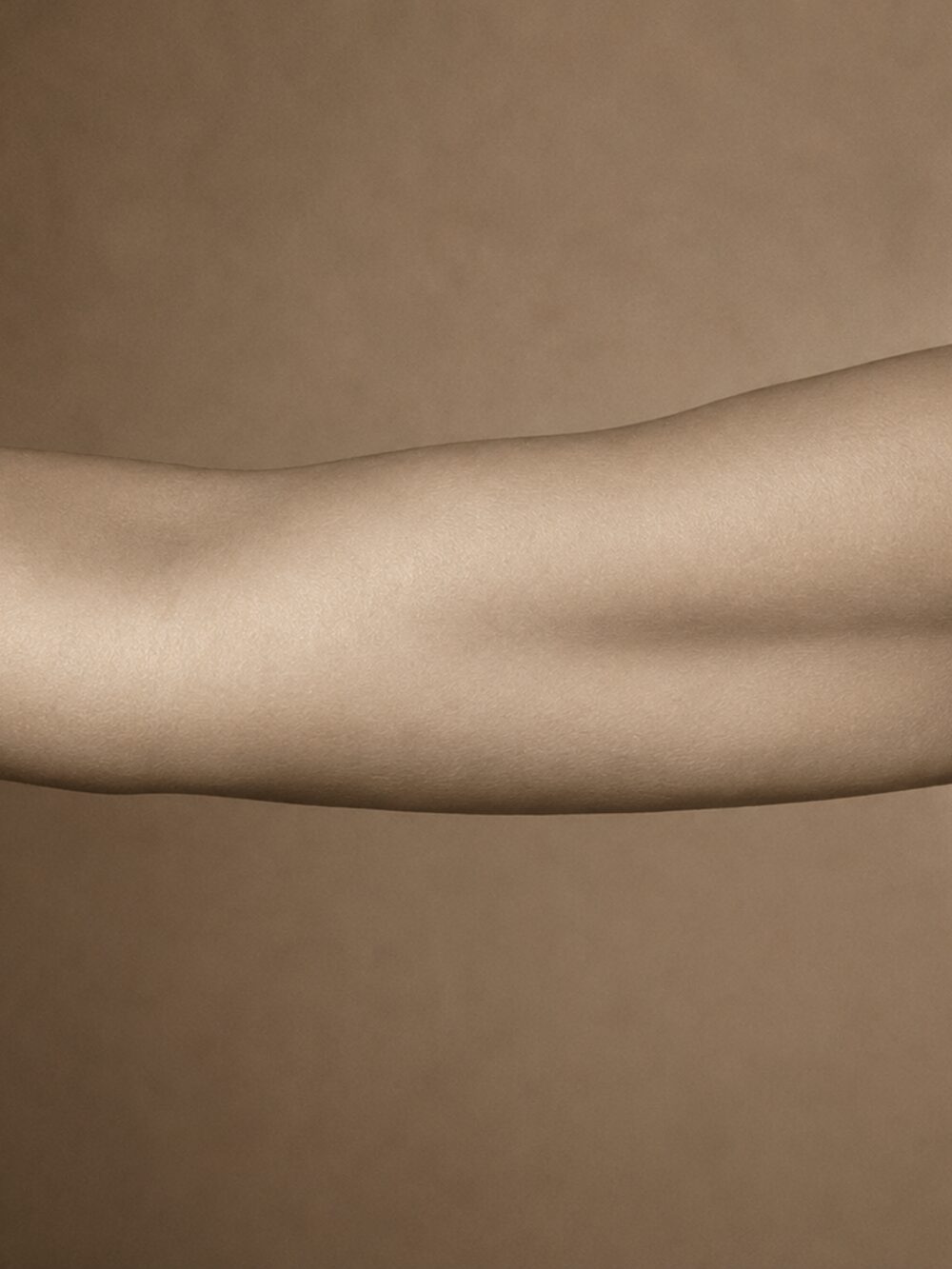 После · Более упруго
Дряблость кожи тела - потеря упругости и эластичности, из-за которой кожа становится дряблой, мягкой и менее структурной - часто на руках, животе или бёдрах.
Обычно связана с возрастными изменениями, похудением, беременностью или снижением выработки коллагена. Поскольку это структурное, а не поверхностное изменение, сначала оцениваем упругость и толщину кожи.
"Дряблость - не про поверхность. Она про то, что поддерживает поверхность, и туда идёт процедура."
Если два и более пункта знакомы, оценка упругости покажет подходящий путь.
Сниженная упругость делает кожу мягкой и менее очерченной по зонам тела.
Замедленное восстановление после растяжения - признак сниженной эластичности.
Обвисание на руках, животе или бёдрах.
Потеря структурной упругости, ощутимая на ощупь.
Морщинистая или неровная текстура, сопровождающая дряблость.
Снижение упругости после изменения веса или беременности.
Редко один фактор. Путь идёт за той причиной, которую выявит оценка.
Визит по дряблости начинается с оценки упругости, толщины и структуры кожи. Путь подстраивается под причину, а не только под видимую поверхность.
Одна цель - восстановить опору, которую кожа утратила. Основной аппарат уплотняет структурно; поддерживающие пути углубляют или продлевают результат.
RF-микронидлинг уплотняет дряблую кожу изнутри, ремоделируя глубокие слои в течение курса.
Неинвазивный ультразвук подтягивает и уплотняет без периода восстановления, где подходит.
Аппаратно · RF-уплотнениеРадиочастота уплотняет кожный «конверт» на больших зонах тела.
Структурное · ПлотностьБиостимуляторы восстанавливают долговременную плотность дермы изнутри.
Поддерживающее · УвлажнениеГлубокое увлажнение улучшает качество кожи параллельно с уплотнением.
Специалист Beauté Concept оценивает упругость и структуру кожи, затем составляет путь. Если процедура подходит - планируем, если нет - так и говорим.