01
«Тёмные пятна на коже»
Тёмные пятна на коже. Фиксируем во время диагностики и связываем с подходящим путём лечения.
 Записаться
Изменение цвета кожи из-за неравномерного распределения меланина - солнце, воспаление, гормоны. Сначала определить тип, затем лечить то, что действительно есть.
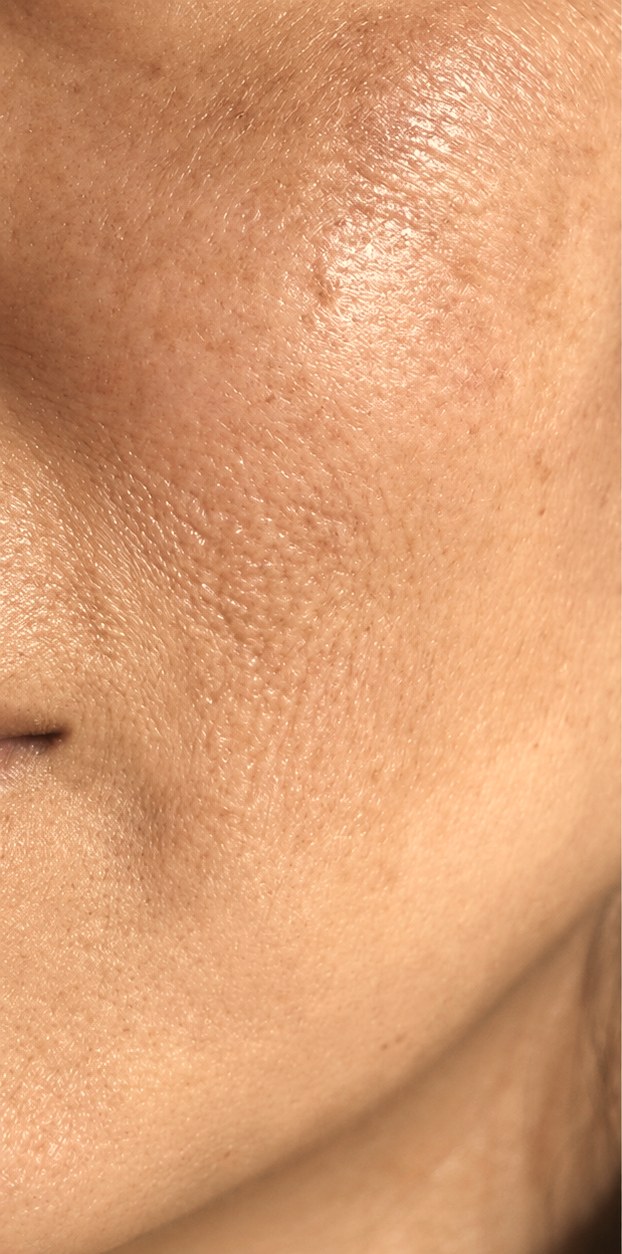 До · Проблема видна
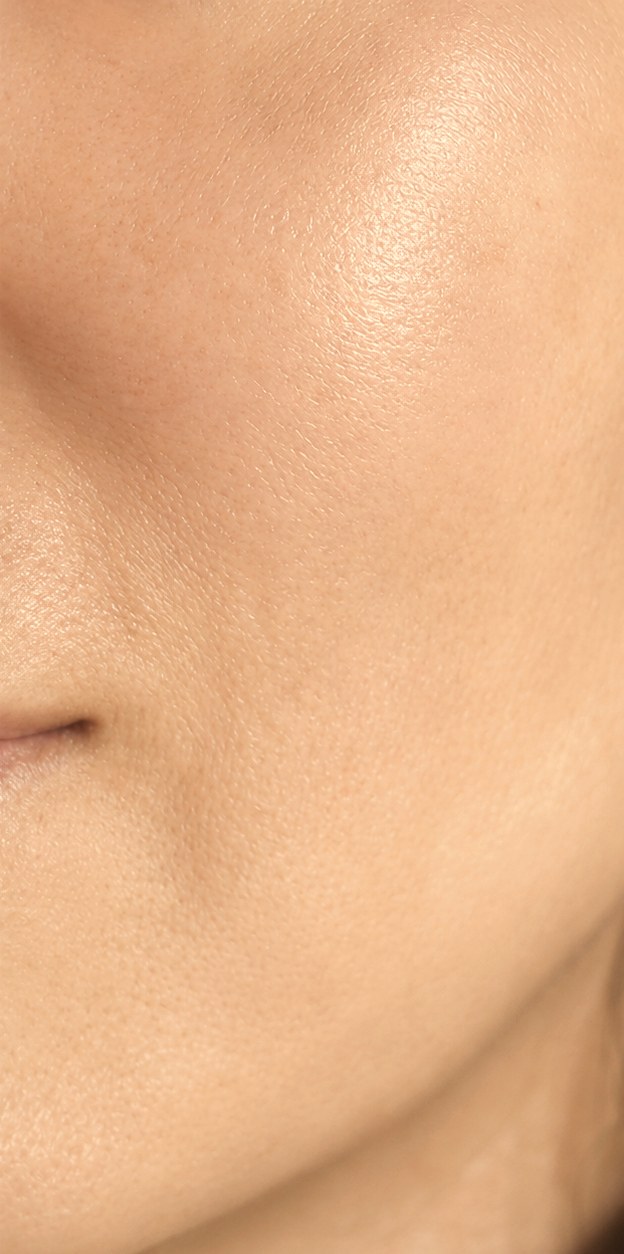 После · Восстановлено
Пигментация - изменение цвета кожи из-за неравномерного распределения меланина, его избыточной выработки или, наоборот, сниженной выработки на отдельных участках.
Чаще всего связана с солнечным воздействием, воспалением или гормональными изменениями. Путь лечения полностью зависит от типа пигментации.
"У каждого пятна своя история. План лечения работает только тогда, когда мы сначала эту историю разбираем."
Формулировки меняются, но закономерность одна. Каждая из них - клинический сигнал, к которому мы прислушиваемся на консультации.
Тёмные пятна на коже. Фиксируем во время диагностики и связываем с подходящим путём лечения.
Следы после акне или повреждений кожи. Фиксируем во время диагностики и связываем с подходящим путём лечения.
Возрастные пятна (лентиго). Фиксируем во время диагностики и связываем с подходящим путём лечения.
Участки депигментации. Фиксируем во время диагностики и связываем с подходящим путём лечения.
Фото ловит это чётче, чем зеркало. Фиксируем во время диагностики и связываем с подходящим путём лечения.
Ощущается иначе даже до того, как выглядит иначе. Фиксируем во время диагностики и связываем с подходящим путём лечения.
Редко бывает что-то одно. Путь строится вокруг наиболее активного фактора.
Любой случай пигментации начинается со съёмки, чтобы определить тип. Неправильный протокол на неправильном типе пигмента может ухудшить ситуацию - правильный её убирает.
Одна цель: работать с причиной, а не только с поверхностью. Основной протокол работает изнутри; поддерживающие пути углубляют или продлевают результат.
Световые аппараты, избирательно воздействующие на меланин - первый выбор при солнечной пигментации.
Ваша собственная обогащённая тромбоцитами плазма - регулирует меланоциты и запускает обновление дермы.
Поддерживающее · ОсветлениеВитамин C, ниацинамид и транексамовая кислота, доставленные прямо в кожу.
Поддерживающее · Качество кожиМикроинфузия глубокого увлажнения - поддерживает чистоту поверхности и ровный тон.
Дома · Уход за пигментомНазначенный домашний протокол с витамином C, ниацинамидом и обязательным SPF.
Врач Beauté Concept осматривает кожу, определяет причину проблемы и разрабатывает протокол - от домашнего ухода до клинического курса.