01
«Потеря упругости»
Потеря упругости. Фиксируем во время диагностики и связываем с подходящим путём лечения.
 Записаться
Естественное снижение коллагена, эластина и клеточного обновления вместе с накопленным воздействием солнца - прочитать изменение, затем поддержать его.
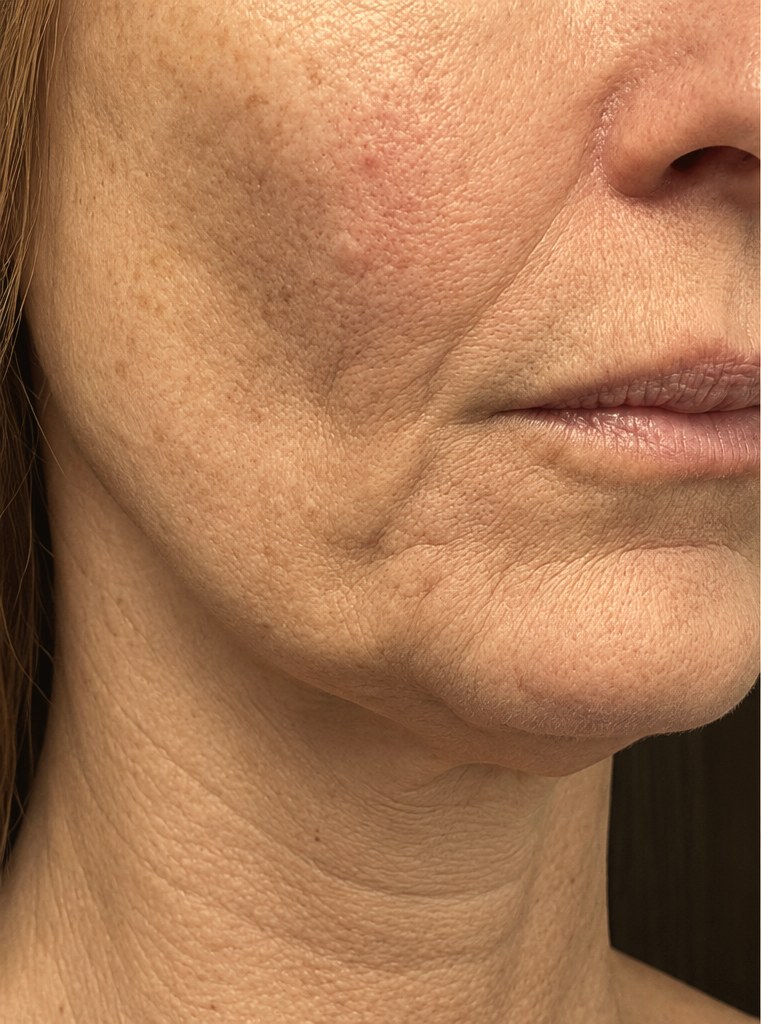 До · Изменения заметны
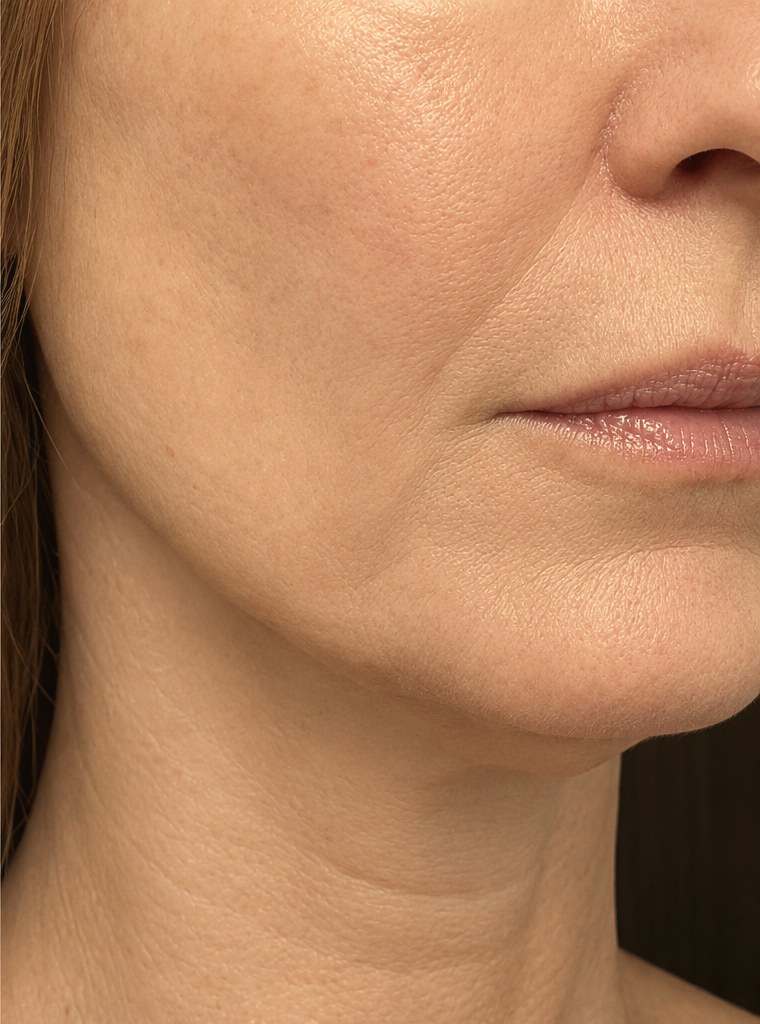 После · Восстановлено
Возрастные изменения кожи - естественный процесс, связанный со снижением коллагена и эластина, замедлением клеточного обновления и накопленным воздействием внешних факторов, особенно солнца.
Эти сдвиги затрагивают структуру, упругость и общий вид кожи. Мелкие морщины углубляются, тон становится неровным, а поверхность уже не отражает свет так, как раньше.
"Старение - это не одна проблема, а несколько небольших сдвигов одновременно. Мы работаем с причиной, а не с симптомом."
Формулировки меняются, но закономерность одна. Каждая из них - клинический сигнал, к которому мы прислушиваемся на консультации.
Потеря упругости. Фиксируем во время диагностики и связываем с подходящим путём лечения.
Динамические и статические морщины. Фиксируем во время диагностики и связываем с подходящим путём лечения.
Средства ведут себя иначе, чем раньше. Фиксируем во время диагностики и связываем с подходящим путём лечения.
Слегка изменилось по сравнению с прошлым годом. Фиксируем во время диагностики и связываем с подходящим путём лечения.
Фото ловит это чётче, чем зеркало. Фиксируем во время диагностики и связываем с подходящим путём лечения.
Ощущается иначе даже до того, как выглядит иначе. Фиксируем во время диагностики и связываем с подходящим путём лечения.
Редко бывает что-то одно. Путь строится вокруг наиболее активного фактора.
Визит по возрасту начинается как диагностическая беседа. Съёмка картирует, что сместилось, и путь отвечает реальной причине.
Одна цель: работать с причиной, а не только с поверхностью. Основной протокол работает изнутри; поддерживающие пути углубляют или продлевают результат.
Инъекционные стимуляторы, восстанавливающие долгосрочную плотность дермы - структурный ответ, когда изменилась архитектура кожи.
Микроинъекции гиалуроновой кислоты, восстанавливающие собственные запасы влаги кожи.
Профилактическое · МимикаСмягчает динамические линии до того, как они станут постоянными структурными складками.
Структурное · ОбъёмВосстанавливает объём там, где возрастная потеря изменила архитектуру лица.
Регенеративное · ОбновлениеВаша обогащённая тромбоцитами плазма запускает естественное восстановление и коллагеновый ответ кожи.
Врач Beauté Concept осматривает кожу, определяет причину проблемы и разрабатывает протокол - от домашнего ухода до клинического курса.