01
«Мои волосы легко выпадают».
Сниженная сила крепления у корня - самый ранний и часто называемый симптом.
 Записаться
Волосяные фолликулы больше не удерживают и не питают стержень как следует - волосы легко выпадают, со временем истончаются, ломаются под нагрузкой. Часто решается, когда найдена причина.
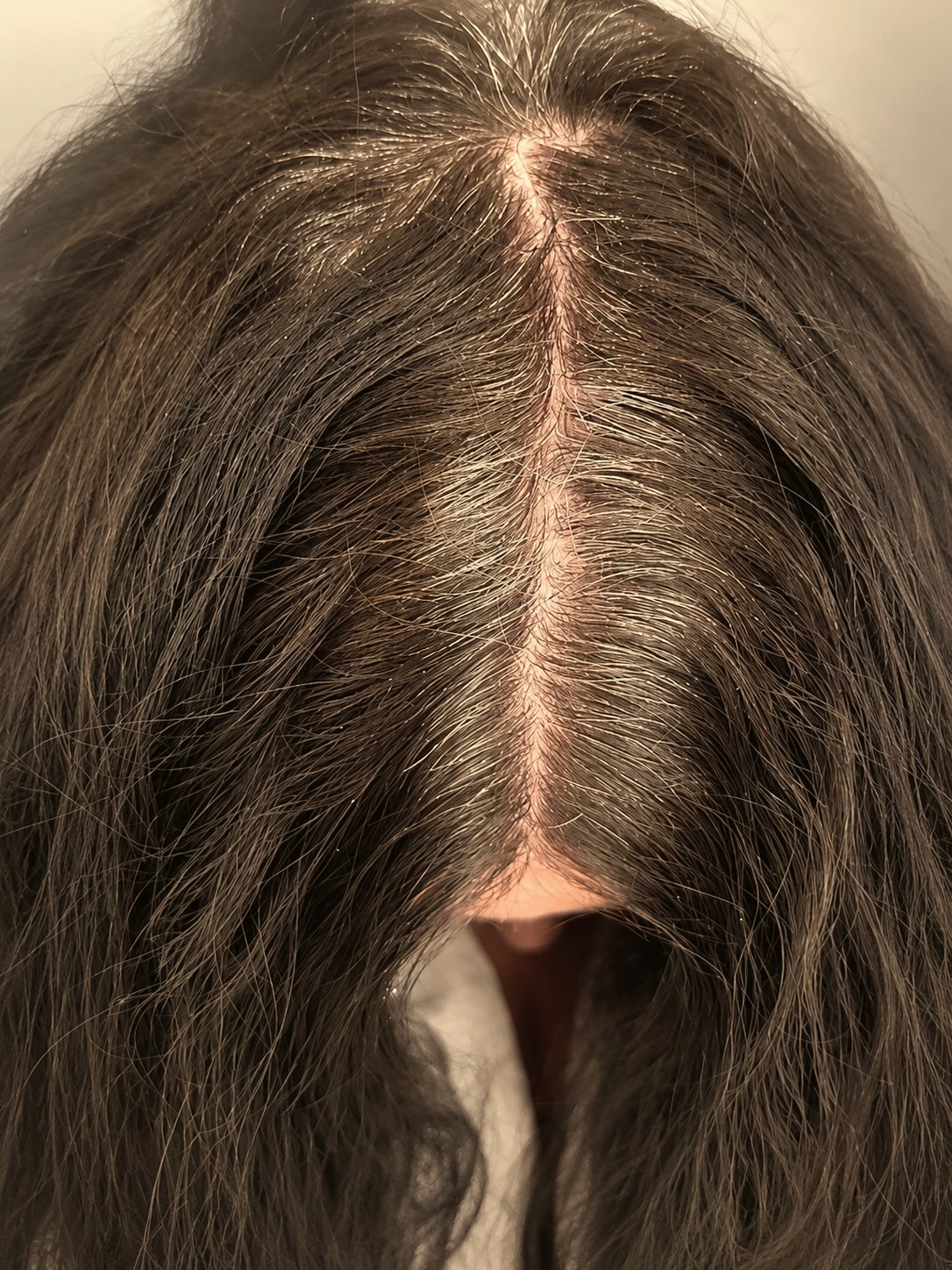 До · Ломкие корни
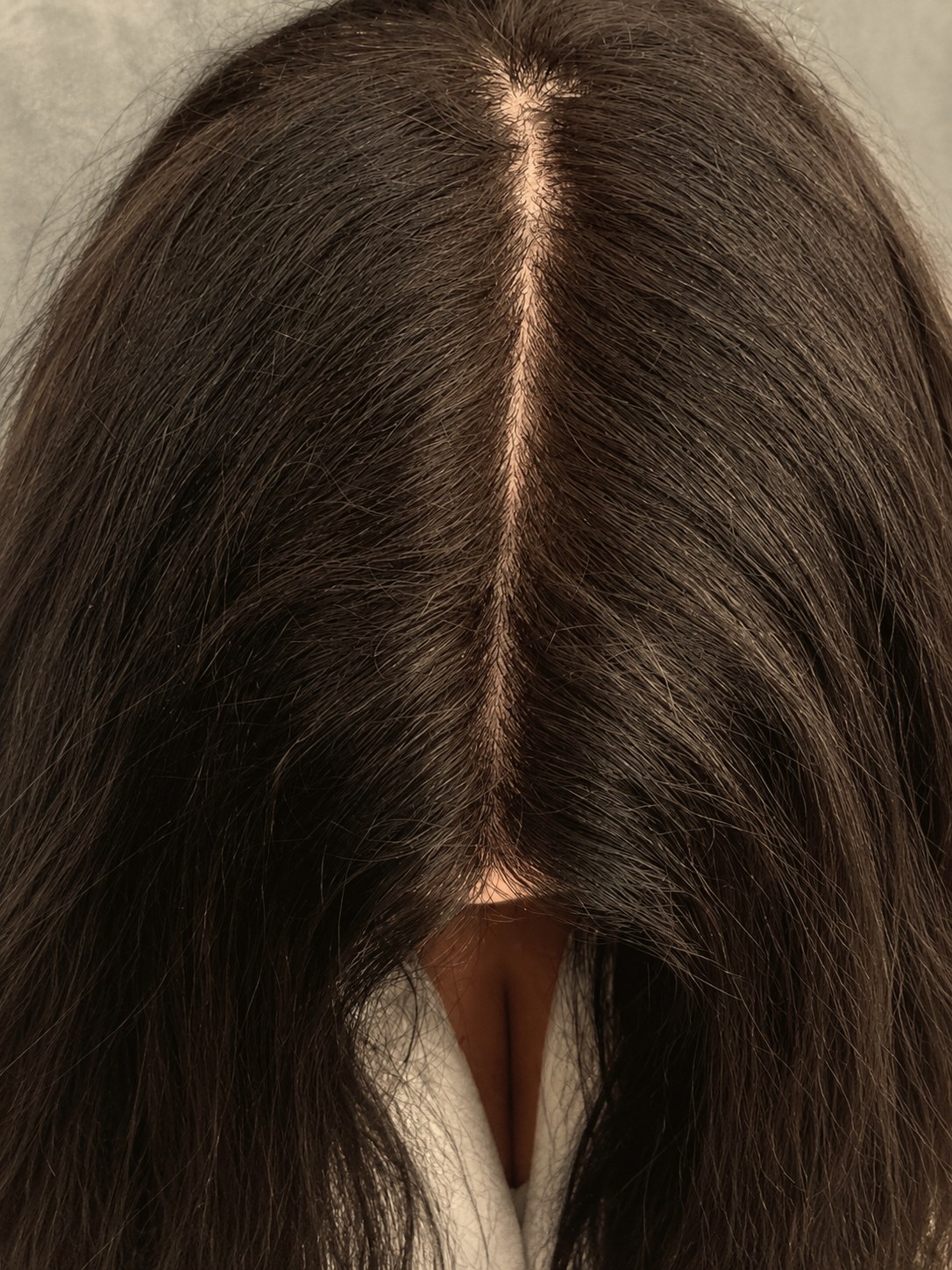 После · Крепкие волосы
Слабые корни волос - состояние, при котором фолликулы не обеспечивают стержню достаточной силы и питания. Волосы легко выпадают, становятся тоньше и более хрупкими.
Состояние может быть связано со стрессом, нутриционным дефицитом, гормональными изменениями или агрессивными средствами для волос. Определение основной причины решает путь лечения.
“Корни не слабеют сами по себе. Они слабеют, потому что от фолликула что-то требует больше, чем он может - консультация выясняет, что именно.”
Симптомы, названные самими пациентами, рядом с клинической оценкой.
Сниженная сила крепления у корня - самый ранний и часто называемый симптом.
У выпавших волос виден корневой луковичный конец - клинический признак преждевременного выхода из анагена.
Толщина стержня уменьшается, когда фолликул получает меньше питания.
Ежедневная потеря выше нормы во время ухода - функциональный ежедневный признак.
Укладки, которые раньше держались, больше не держатся; в местах видна кожа головы.
Анагеновая фаза укорачивается - новый рост дольше становится заметным.
У слабых корней много причин - путь работает с двумя-тремя наиболее выраженными.
Паттерны слабых корней видны на трихоскопии задолго до того, как их заметно в зеркале. Мы снимаем, тестируем и лишь потом лечим.
Питание на уровне кожи головы и коррекция основного дефицита - вместе для комплексного отклика.
Обогащённая тромбоцитами плазма доставляет факторы роста к ослабленным фолликулам; витаминная мезотерапия добавляет прямое питание. Курсовой подход, отклик нарастает месяцами.
Наружные средства для поддержки активности фолликула - обычно назначаются вместе с PRP.
Поддерживающее · МедицинскоеДефицит железа, витаминов и гормональные нарушения решаются через соответствующего специалиста.
Поддерживающее · ВитаминыВитаминная инфузия для комплексного эффекта вместе с PRP.
Поддерживающее · Домашний уходМягкий уход за кожей головы, массаж и отказ от агрессивных средств на время курса.
Специалист снимает кожу головы, оценивает выпавшие волосы, разбирает анамнез и, если паттерн того требует, направляет на анализы до назначения курса.