01
«Մազերս ավելի բարակ են դարձել»։
Մազերի ընդհանուր խտության նվազումը հաճախ առավել նկատելի է գլխի գագաթային հատվածում։
 Ամրագրել
Մազերի նոսրացումը խտության աստիճանական նվազում է, երբ մազաթելերը դառնում են ավելի բարակ, իսկ ընդհանուր ծավալը՝ պակաս։ Այն կարող է լինել ժամանակավոր կամ երկարատև և կապված լինել հորմոնալ փոփոխությունների, սթրեսի, սննդային անբավարարության կամ անդրոգենետիկ ալոպեկիայի հետ։ Ճիշտ մոտեցումը սկսվում է պատճառի ախտորոշումից։
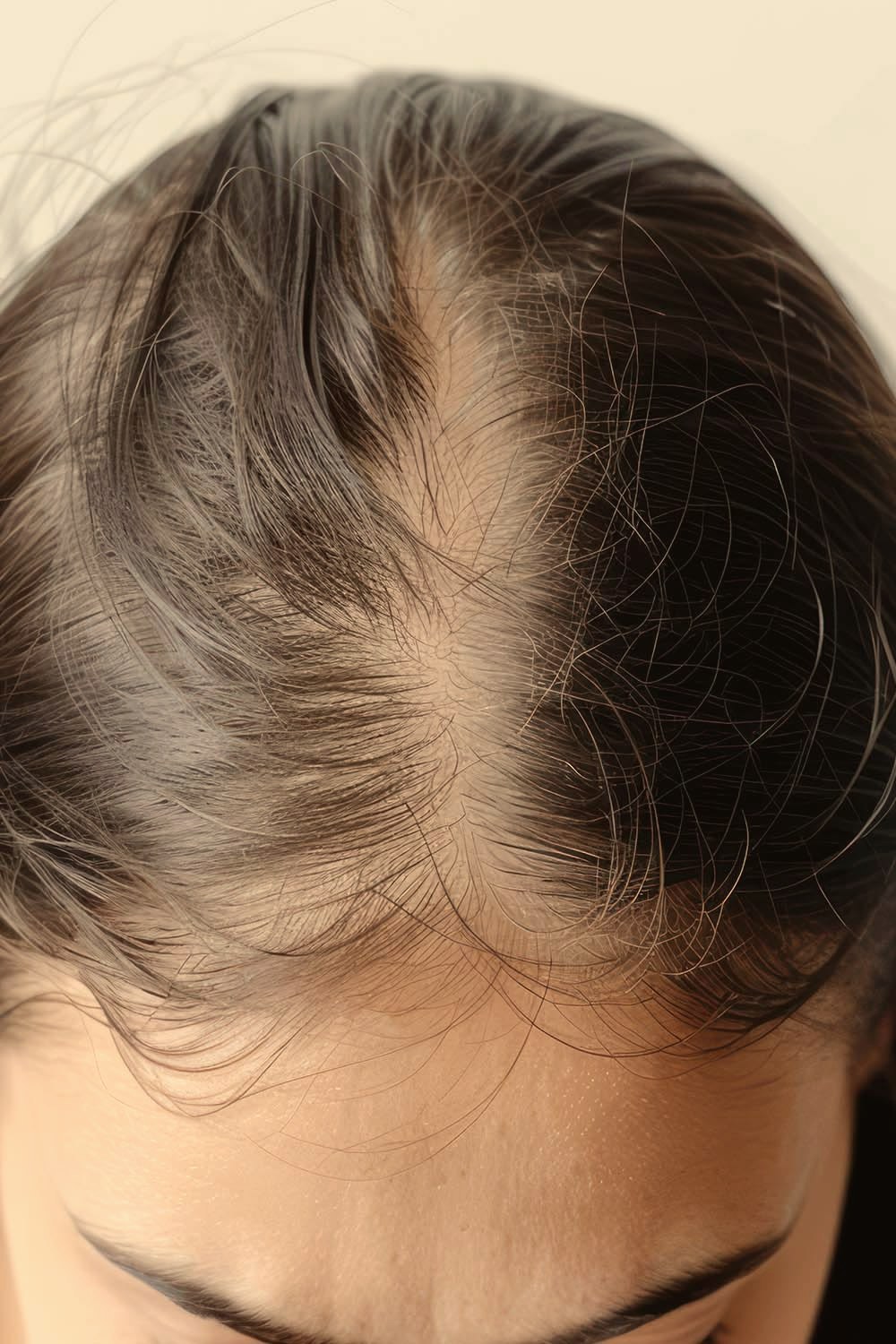 Առաջ · Նվազած խտություն
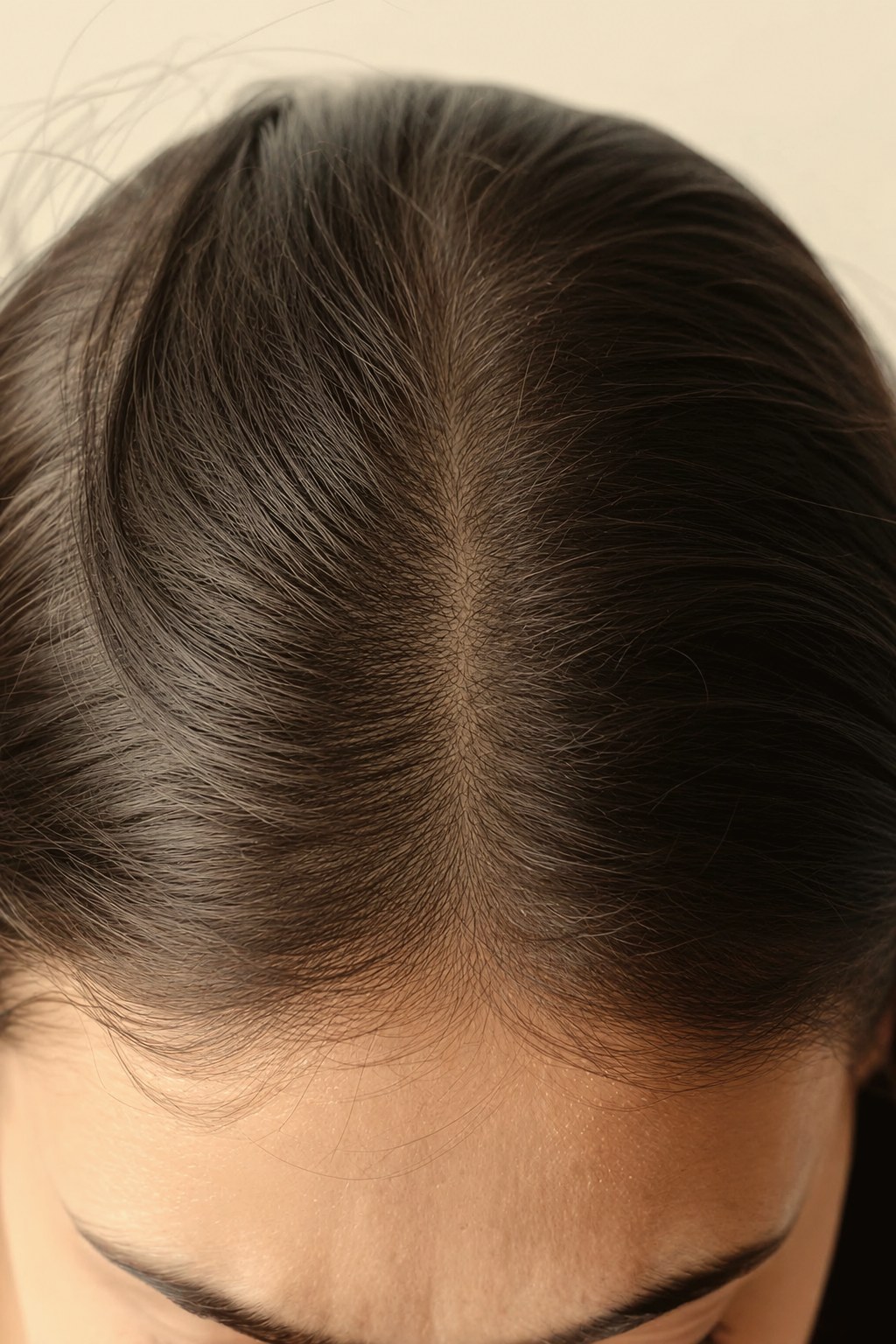 Հետո · Ավելի արտահայտված ծավալ
Մազերի նոսրացումը մազերի խտության աստիճանական նվազում է, որի դեպքում առանձին մազաթելերը դառնում են ավելի բարակ, իսկ մազերի ընդհանուր ծավալը՝ պակաս։
Այն կարող է լինել ժամանակավոր կամ երկարատև և հաճախ կապված է հորմոնալ փոփոխությունների, սթրեսի, սննդային որոշ անբավարարությունների կամ անդրոգենետիկ ալոպեկիայի հետ։ Բուժման ճիշտ ծրագիրը կախված է հիմնական պատճառից։
“Մազերի նոսրացումը հաճախ պայմանավորված է ոչ թե մեկ, այլ մի քանի գործոններով։ Խորհրդատվության և տրիխոսկոպիայի նպատակը հիմնական պատճառը բացահայտելն ու մյուս նպաստող գործոնները գնահատելն է։”
Մազերի նոսրացումը կարող է տարբեր կերպ արտահայտվել։ Խորհրդատվության ընթացքում հիվանդի նկատած փոփոխությունները համադրում ենք տրիխոսկոպիկ գնահատման արդյունքների հետ։
Մազերի ընդհանուր խտության նվազումը հաճախ առավել նկատելի է գլխի գագաթային հատվածում։
Մազերի ընդհանուր ծավալի նվազման դեպքում հավաքած մազերի հաստությունը ամիսների ընթացքում կարող է աստիճանաբար փոքրանալ։
Մազերն ավելի հարթ են նստում, նախկին ծավալը դժվար է պահպանվում, իսկ որոշ հատվածներում գլխամաշկն ավելի տեսանելի է դառնում։
Կենտրոնական բաժուկը կարող է լայնանալ, իսկ նախկինում մազերով ծածկված հատվածներում գլխամաշկն ավելի տեսանելի դառնալ։
Առանձին մազաթելերի հաստությունը կարող է աստիճանաբար նվազել։ Այս փոփոխությունը հնարավոր է գնահատել տրիխոսկոպիայի միջոցով։
Սանրի, բարձի կամ լոգանքի ընթացքում սովորականից ավելի շատ մազերի նկատվելը կարող է վկայել ակտիվ մազաթափության մասին։
Մազերի նոսրացման տարբեր պատճառները պահանջում են տարբեր մոտեցումներ։ Այդ պատճառով բուժումը սկսելուց առաջ որոշում ենք խնդրի հիմնական պատճառը։
Տրիխոսկոպիան թույլ է տալիս գնահատել, թե ինչ է իրականում տեղի ունենում մազերի և գլխամաշկի հետ՝ խտությունը, մազաթելերի հաստությունը, մանրացման նշանները և բորբոքային փոփոխությունները։ Ստացված տվյալների հիման վրա ընտրվում է համապատասխան բուժման ծրագիրը։
Բուժման ծրագիրը կազմվում է ըստ մազերի նոսրացման պատճառի։ Անհրաժեշտության դեպքում տեղային բուժումը, PRP-ն կամ մեզոթերապիան համակցվում են հիմնական պատճառի բժշկական շտկման հետ։
Թրոմբոցիտներով հարուստ պլազման կիրառվում է մազապարկերի բնական ակտիվությանն աջակցելու համար, իսկ մեզոթերապիան թույլ է տալիս գլխամաշկ ներմուծել ընտրված ակտիվ բաղադրիչներ։ Բուժումն իրականացվում է սեանսների ծրագրով, իսկ փոփոխությունները գնահատվում են մի քանի ամսվա ընթացքում։
Մինօքսիդիլ կամ այլ տեղային միջոցներ կարող են նշանակվել համապատասխան դեպքերում՝ ըստ մազաթափության տեսակի և բժշկի գնահատման։
Լրացուցիչ · Հորմոնալ գործոններԵթե մազերի նոսրացումը կապված է հորմոնալ, սննդային կամ այլ համակարգային պատճառի հետ, անհրաժեշտ է համապատասխան մասնագետի գնահատում և հիմնական խնդրի շտկում։
Լրացուցիչ · Գլխամաշկի վիճակՀիալուրոնաթթվի կիրառումը կարող է ներառվել որոշ անհատական ծրագրերում՝ գլխամաշկի վիճակին և խոնավության մակարդակին աջակցելու նպատակով։
Լրացուցիչ · Վիտամինային աջակցությունԸնտրված ակտիվ բաղադրիչներով մեզոթերապիան կարող է կիրառվել PRP ծրագրի հետ համակցված՝ ըստ գլխամաշկի վիճակի և անհատական կարիքների։
Մասնագետը կգնահատի գլխամաշկի և մազերի վիճակը տրիխոսկոպիայի միջոցով, կուսումնասիրի Ձեր բժշկական պատմությունը և, անհրաժեշտության դեպքում, կնշանակի լրացուցիչ լաբորատոր հետազոտություններ։ Արդյունքների հիման վրա կկազմվի անհատական բուժման ծրագիր։