01
«Մաշկս կախվել է»։
Մաշկի ամրության և առաձգականության նվազման հետևանքով դեմքի որոշ հատվածներ կարող են ավելի թուլացած և կախված երևալ։
 Ամրագրել
Երբ մաշկը կորցնում է առաձգականությունն ու ամրությունը, այն աստիճանաբար թուլանում և կախվում է։ Բուժման մոտեցումը նպատակ ունի վերականգնել մաշկի այն կառուցվածքային աջակցությունը, որը ժամանակի ընթացքում նվազել է։
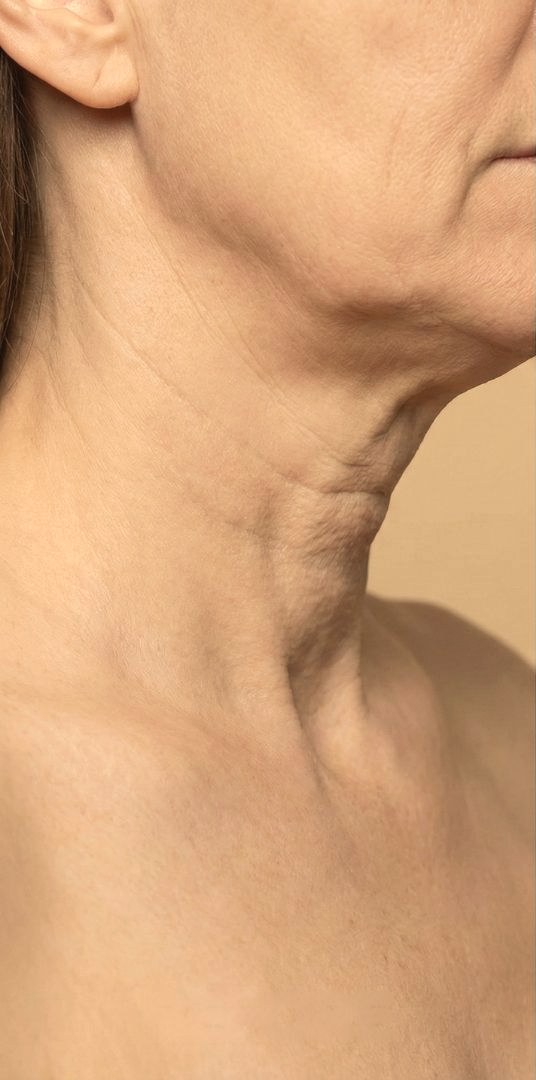 Առաջ · Խնդիրը տեսանելի է
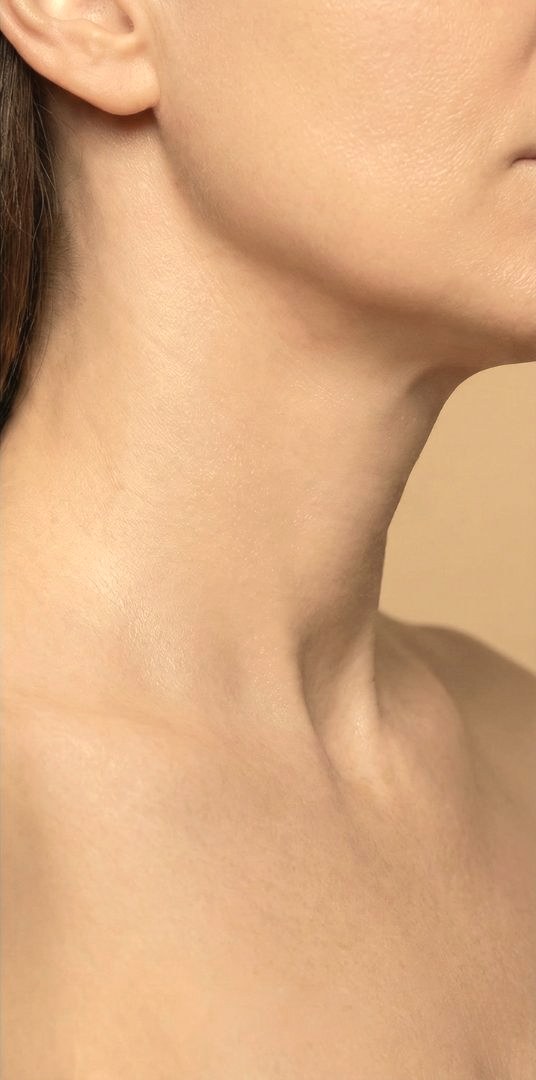 Հետո · Ավելի ձիգ տեսք
Մաշկի թուլությունն ու կախվածությունը առաջանում են, երբ մաշկը կորցնում է առաձգականությունն ու ամրությունը։ Արդյունքում դեմքի հյուսվածքները աստիճանաբար իջնում են, իսկ ուրվագծերը դառնում են պակաս հստակ։
Հիմնական պատճառներից են կոլագենի և էլաստինի նվազումը, տարիքային փոփոխությունները, քաշի կորուստը, արևի երկարատև ազդեցությունը, հորմոնալ փոփոխությունները և մաշկի խոնավության նվազումը։ Յուրաքանչյուր պատճառ պահանջում է իր համապատասխան մոտեցումը։
"Մաշկի թուլությունը միայն մակերեսային խնդիր չէ։ Կարևոր է աշխատել այն կառուցվածքների հետ, որոնք ապահովում են մաշկի ամրությունն ու աջակցությունը։"
Ձևակերպումները կարող են տարբեր լինել, սակայն ընդհանուր պատկերը սովորաբար նույնն է։ Խորհրդատվության ընթացքում ուշադրություն ենք դարձնում այս փոփոխություններից յուրաքանչյուրին։
Մաշկի ամրության և առաձգականության նվազման հետևանքով դեմքի որոշ հատվածներ կարող են ավելի թուլացած և կախված երևալ։
Մաշկի ընդհանուր ամրությունն ու տոնուսը նվազում են, իսկ դեմքի ուրվագծերը դառնում են պակաս ընդգծված։
Մաշկի կառուցվածքի և խոնավության փոփոխությունները կարող են փոխել նաև խնամքի միջոցների կիրառման և զգացողության ձևը։
Մաշկի թուլությունը հաճախ զարգանում է աստիճանաբար և ժամանակի ընթացքում դառնում ավելի արտահայտված։
Լուսավորությունն ու ստվերները կարող են ավելի ընդգծել դեմքի ուրվագծերի և մաշկի ամրության փոփոխությունները։
Առաձգականության, խոնավության և մաշկի կառուցվածքի փոփոխությունները երբեմն զգացվում են ավելի վաղ, քան դառնում են տեսանելի։
Մաշկի թուլությունը հազվադեպ է պայմանավորված միայն մեկ գործոնով։ Բուժման ծրագիրը ընտրվում է ըստ այն պատճառի, որն առավել մեծ ազդեցություն ունի։
Մաշկի թուլության գնահատումը սկսվում է առաձգականության և խոնավության մակարդակի չափումից ու սկանավորումից։ Բուժման մոտեցումը ընտրվում է ըստ խնդրի հիմնական պատճառի, ոչ միայն արտաքին տեսքի։
Նպատակը միայն մակերեսային տեսքը բարելավելը չէ, այլ մաշկի ամրության նվազման հիմնական պատճառների վրա աշխատելը։ Հիմնական պրոցեդուրան կարող է համակցվել լրացուցիչ մեթոդների հետ՝ արդյունքն ուժեղացնելու և պահպանելու համար։
Ներարկային պրեպարատներ, որոնք խթանում են մաշկի սեփական կոլագենի արտադրությունը և ժամանակի ընթացքում բարելավում դերմայի խտությունն ու ամրությունը։
Հիալուրոնաթթվային միկրոներարկումներ, որոնք օգնում են վերականգնել մաշկի խոնավության մակարդակն ու այն պահպանելու ունակությունը։
Վերականգնողական · ԹարմացումՁեր սեփական թրոմբոցիտներով հարուստ պլազման աջակցում է կոլագենի արտադրությանն ու մաշկի բնական վերականգնման գործընթացներին։
Սարքային · ՁգումՍարքային պրոցեդուրաներ, որոնք խթանում են կոլագենի արտադրությունը և օգնում բարելավել մաշկի ամրությունն ու ձիգ տեսքը։
Տնային խնամք · Ամրացնող խնամքԱնհատապես ընտրված տնային խնամքի ծրագիր՝ ռետինոիդներով, պեպտիդներով և ամենօրյա SPF պաշտպանությամբ։
Beauté Concept-ի բժիշկը կգնահատի Ձեր մաշկի վիճակը, կբացահայտի թուլության հիմնական պատճառները և կկազմի անհատական ծրագիր՝ տնային խնամքից մինչև կլինիկայում իրականացվող պրոցեդուրաներ։