01
Վերին շրթունքի կամ կզակի հատվածում մուգ մազեր
Կանանց մոտ հաճախ հանդիպող դրսևորում է, որը կարող է լինել գենետիկ առանձնահատկություն կամ որոշ դեպքերում կապված լինել հորմոնալ գործոնների հետ։
 Ամրագրել
Դեմքի կամ մարմնի անցանկալի մազերի աճը կարող է պայմանավորված լինել գենետիկ կամ հորմոնալ գործոններով։ Լազերային մազահեռացման ծրագիրը թույլ է տալիս աստիճանաբար և երկարաժամկետ նվազեցնել մազերի աճը։ Սարքը ընտրվում է ըստ մաշկի ֆոտոտիպի, իսկ խորհրդատվության ընթացքում գնահատվում է՝ արդյոք անհրաժեշտ է նաև հորմոնալ պատճառների հետազոտություն։
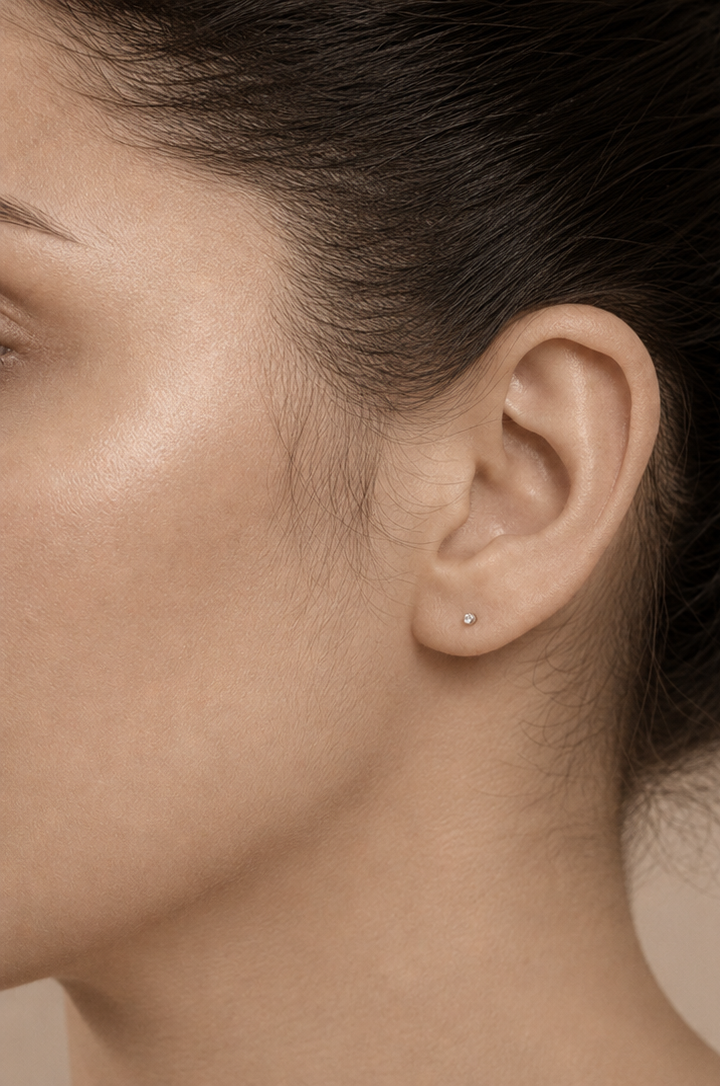 Առաջ · Անցանկալի մազերի աճ
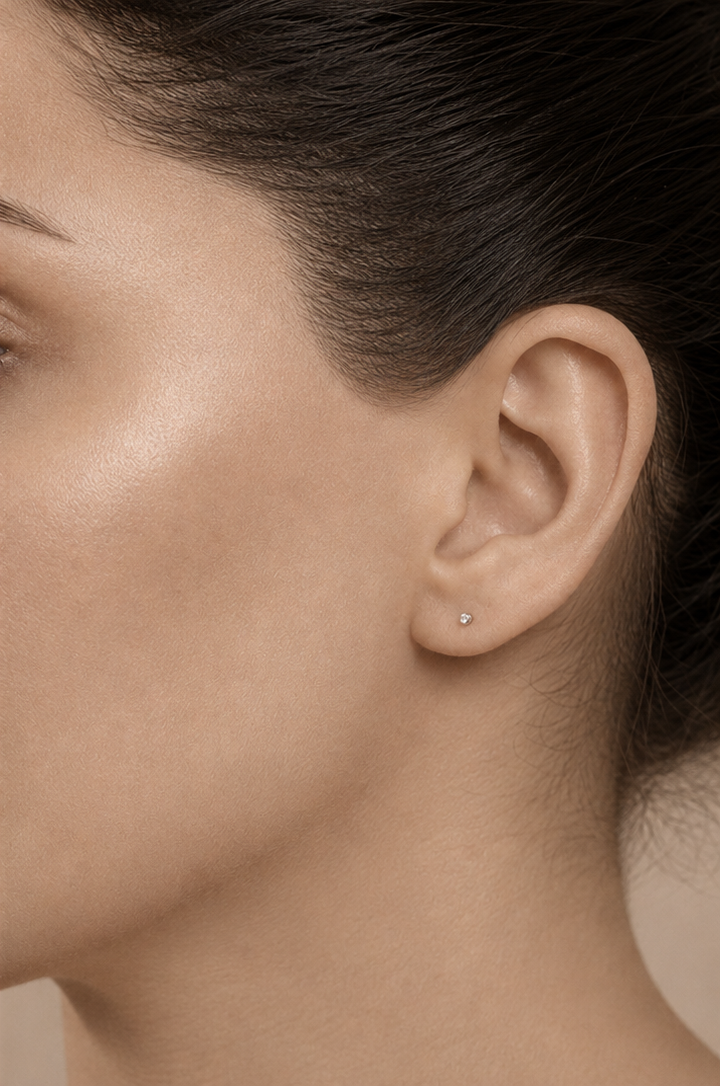 Հետո · Մազերի աճի երկարատև նվազում
Դեմքի և մարմնի անցանկալի մազերը մազերի աճն է այն հատվածներում, որտեղ այն էսթետիկ անհարմարություն է առաջացնում։ Այն կարող է լինել գենետիկ առանձնահատկություն կամ կապված լինել հորմոնալ փոփոխությունների հետ։ Որոշ դեպքերում արտահայտված մազակալումը կարող է պահանջել նաև անդրոգենների մակարդակի գնահատում։
Լազերային մազահեռացումն իրականացվում է սեանսների ծրագրով՝ Alexandrite կամ Diode տեխնոլոգիայով՝ ըստ մաշկի ֆոտոտիպի և մազերի առանձնահատկությունների։ Եթե մազերի աճն ունի հորմոնալ պատճառ, էսթետիկ բուժումը համակցվում է հիմնական պատճառի համապատասխան բժշկական գնահատման հետ։
“Եթե լազերային մազահեռացման ծրագրից հետո մազերի աճը շարունակում է արագ վերականգնվել, կարևոր է գնահատել հնարավոր հորմոնալ պատճառները, ոչ թե պարզապես ավելացնել սեանսների քանակը։”
Անցանկալի մազերի աճը կարող է տարբեր կերպ արտահայտվել՝ կախված հատվածից, մազերի հաստությունից և հնարավոր պատճառներից։
Կանանց մոտ հաճախ հանդիպող դրսևորում է, որը կարող է լինել գենետիկ առանձնահատկություն կամ որոշ դեպքերում կապված լինել հորմոնալ գործոնների հետ։
Եթե մազերը արագ և խիտ են վերաճում, լազերային մազահեռացումը կարող է ապահովել ավելի երկարատև նվազեցում՝ համեմատած ժամանակավոր հեռացման մեթոդների հետ։
Դեմքի ավելի տարածուն մազակալման դեպքում կարող է անհրաժեշտ լինել նաև հորմոնալ գործոնների գնահատում։
Մարմնի տարբեր հատվածներում անցանկալի մազերը կարող են մշակվել նույն լազերային տեխնոլոգիաներով՝ անհատապես ընտրված պարամետրերով։
Մեխանիկական մազահեռացումը կարող է նպաստել ներաճած մազերի առաջացմանը։ Մազերի աճի աստիճանական նվազեցումը հաճախ օգնում է նվազեցնել նաև այդ խնդրի կրկնությունը։
Եթե մազերի աճը նկատելիորեն փոխվում է դաշտանային ցիկլի կամ այլ հորմոնալ փոփոխությունների հետ, ցանկալի է գնահատել հնարավոր հորմոնալ պատճառները։
Շատ դեպքերում անցանկալի մազերի աճը պարզապես անհատական առանձնահատկություն է, սակայն որոշ իրավիճակներում նախ անհրաժեշտ է ավելի խոր բժշկական գնահատում։
Լազերային տեխնոլոգիայի ընտրությունը կախված է մաշկի ֆոտոտիպից, մազերի գույնից, հաստությունից և բուժվող հատվածից։ Մազերի աճի բնույթն ու բժշկական պատմությունը նաև օգնում են հասկանալ՝ արդյոք անհրաժեշտ է նախ հորմոնալ հետազոտություն։
Լազերային մազահեռացումն իրականացվում է սեանսների ծրագրով՝ մաշկի ֆոտոտիպին համապատասխան Alexandrite կամ Diode տեխնոլոգիայով։ Սեանսների միջև կարևոր է արևապաշտպանությունը, իսկ հորմոնալ պատճառի կասկածի դեպքում՝ նաև համապատասխան բժշկական գնահատումը։
Լազերային տեխնոլոգիաները ընտրողաբար ազդում են մազապարկերի վրա և սեանսների ընթացքում աստիճանաբար նվազեցնում մազերի աճը։ Սարքը և պարամետրերը ընտրվում են ըստ մաշկի ֆոտոտիպի, մազերի գույնի, հաստության և բուժվող հատվածի։
Հանգստացնող խնամք և արևապաշտպանություն՝ ամբողջ սեանսների ծրագրի ընթացքում։
Լրացուցիչ · ԲժշկականԵթե մազերի աճի բնույթը հուշում է անդրոգենային փոփոխությունների կամ PCOS-ի հնարավոր առկայության մասին, առաջարկվում է համապատասխան հորմոնալ գնահատում։
Լրացուցիչ · Սեանսների միջևՍեանսների միջև անհրաժեշտ է սահմանափակել ինտենսիվ արևային ազդեցությունը և ժամանակավորապես դադարեցնել բուժվող հատվածի գրգռիչ ակտիվ խնամքի միջոցները՝ ըստ մասնագետի ցուցումների։
Լրացուցիչ · Զգայուն հատվածներԶգայուն հատվածների համար կիրառվում են նույն լազերային տեխնոլոգիաները՝ անհատապես ընտրված պարամետրերով և համապատասխան խնամքի ցուցումներով։
Մասնագետը կգնահատի Ձեր մաշկի ֆոտոտիպը, մազերի գույնը, հաստությունն ու աճի բնույթը, կընտրի համապատասխան լազերային տեխնոլոգիան և կկազմի սեանսների անհատական ծրագիր։ Եթե կան հորմոնալ պատճառի նշաններ, նախ կառաջարկվի համապատասխան բժշկական գնահատում։